How I Quietly Transformed My Daily Health Through Real Food Choices
What if small, consistent food choices could quietly reshape your energy, focus, and long-term well-being? For years, I chased quick fixes—only to realize lasting health isn’t built in extremes, but in daily patterns. This isn’t about diets or restrictions; it’s about rethinking what we eat, why we eat it, and how simple shifts can create noticeable, sustainable change. Let’s explore how food truly becomes fuel. Not the kind that powers a car for a few miles, but the kind that sustains a life—day after day, year after year. When we begin to see food as more than convenience or comfort, but as a foundation for vitality, everything shifts. And the best part? You don’t need a complete overhaul to begin.
The Hidden Cost of "Normal" Eating Habits
Many people believe their eating habits fall within the "normal" range—breakfast on the go, a sandwich at lunch, and something quick for dinner. Snacks in between often come in wrappers: chips, granola bars, cookies. Beverages are sweetened, meals are rushed, and hunger is sometimes ignored until energy crashes. While these behaviors may seem harmless, their long-term effects on health are more significant than most realize. The issue isn’t occasional indulgence, but the unnoticed repetition of choices that gradually erode well-being. Over time, these patterns can contribute to fatigue, digestive discomfort, mood fluctuations, and difficulty maintaining steady energy throughout the day.
One of the most common yet overlooked habits is reliance on processed snacks. These foods are often high in refined carbohydrates and added sugars, which cause rapid spikes in blood sugar followed by sharp drops. This rollercoaster effect can leave individuals feeling jittery, then sluggish, often craving another quick fix. The cycle repeats, reinforcing dependence on sugar for energy. Meanwhile, essential nutrients like fiber, healthy fats, and protein—critical for satiety and stable energy—are frequently missing. The body adapts to this pattern, but at a cost: reduced mental clarity, increased hunger, and a growing sense of being "off," even when no illness is present.
Another subtle but impactful habit is the regular consumption of sugary beverages. Many women in the 30–55 age range reach for a soda, sweetened iced tea, or flavored coffee drink without considering the cumulative sugar intake. A single 16-ounce sweetened drink can contain 50 grams or more of sugar—far exceeding daily recommendations. Unlike solid food, liquid calories do not trigger the same fullness signals, making it easy to consume excess without realizing it. Over months and years, this contributes to weight gain, insulin resistance, and increased risk for metabolic conditions, even in individuals who otherwise appear healthy.
Irregular meal timing also plays a role in undermining daily health. Skipping breakfast, eating lunch late, or consuming large meals late at night disrupts the body’s natural metabolic rhythm. This can impair digestion, affect sleep quality, and reduce the efficiency of nutrient absorption. For busy women juggling work, family, and personal responsibilities, meal skipping often feels like a necessary compromise. But the body thrives on consistency. When meals are delayed or missed, blood sugar drops, stress hormones rise, and the next eating opportunity often leads to overeating. These patterns, repeated over time, quietly wear down resilience and contribute to a persistent sense of exhaustion.
Why Food Is More Than Just Calories
For decades, food has been reduced to a simple equation: calories in, calories out. But this narrow view overlooks the deeper role food plays in the body. Every bite sends signals—chemical messages that influence hormone production, immune function, brain activity, and cellular repair. Food is not just energy; it is information. What you eat shapes how your body functions at the most fundamental level. This understanding shifts the focus from weight management to overall vitality, from restriction to nourishment.
Nutrients like fiber, healthy fats, and protein are not just components of a balanced diet—they are essential tools for long-term health. Fiber, found abundantly in vegetables, fruits, legumes, and whole grains, supports gut health by feeding beneficial bacteria in the digestive tract. A healthy gut microbiome is linked to improved immunity, better mood regulation, and reduced inflammation. When fiber intake is low, digestion slows, and the risk of constipation, bloating, and imbalanced gut flora increases. Over time, this can contribute to systemic inflammation, a factor in many chronic conditions.
Healthy fats—such as those found in avocados, nuts, seeds, olive oil, and fatty fish—play a crucial role in hormone balance and brain function. The brain is composed largely of fat, and it requires a steady supply of high-quality fats to maintain focus, memory, and emotional stability. Omega-3 fatty acids, in particular, have been shown to support cognitive health and reduce inflammation. Yet, many women still fear fat, opting for low-fat or fat-free products that are often higher in sugar and additives. This well-intentioned choice can backfire, depriving the body of essential nutrients needed for optimal function.
Protein is another cornerstone of real food nutrition. It provides the building blocks for muscles, enzymes, and neurotransmitters. Including adequate protein at meals helps regulate blood sugar, promotes satiety, and supports tissue repair. For women navigating hormonal changes, especially in midlife, maintaining muscle mass through proper protein intake becomes increasingly important. Muscle supports metabolism, balance, and strength—key factors in maintaining independence and vitality as we age. When protein is consistently undervalued in meals, energy dips become more frequent, and recovery from daily stressors slows.
Inflammation is another critical factor influenced by food choices. Chronic, low-grade inflammation is not always visible, but it can silently damage tissues and contribute to conditions like joint discomfort, fatigue, and cardiovascular concerns. Diets high in processed foods, refined sugars, and unhealthy fats promote inflammation, while whole food patterns rich in colorful vegetables, fruits, and plant-based compounds help reduce it. The goal is not perfection, but a consistent shift toward foods that calm the body rather than provoke it.
My Personal Shift: From Confusion to Clarity
Like many women, I spent years caught in the cycle of diet culture—trying one plan after another, only to return to old habits when motivation faded. I experimented with low-carb, then low-fat, then intermittent fasting, each time hoping for a breakthrough. What I discovered was that rigid rules didn’t work for my life. They created stress, not sustainability. The real change began not with a new diet, but with a new mindset: one focused on nourishment, not punishment. I stopped asking, "What can I cut out?" and started asking, "What can I add in?"
One of the first changes I made was swapping refined carbohydrates for complex ones. Instead of white toast or sugary cereal for breakfast, I began choosing oatmeal topped with nuts and berries, or whole grain toast with avocado and a boiled egg. This simple switch had an immediate effect: my energy stayed more stable, and I didn’t feel the mid-morning crash that used to send me reaching for a snack. I also noticed that I was less hungry between meals, which reduced my reliance on convenience foods.
Another key shift was prioritizing protein at breakfast. For years, I had viewed breakfast as a light meal—maybe a piece of fruit or a yogurt. But when I started including eggs, Greek yogurt, or a small portion of lean meat, I felt more alert and focused. My mood improved, and I found it easier to resist the afternoon cookie tray at work. Protein helped me feel satisfied, not stuffed, and gave me the mental clarity I needed to handle a busy day. It wasn’t about eating more—it was about eating better.
Hydration became another quiet but powerful change. I used to wait until I felt thirsty before drinking water, but I realized that thirst was often a sign of mild dehydration. I began keeping a water bottle on my desk and made it a habit to drink a glass first thing in the morning. Over time, I noticed improvements in my skin, digestion, and energy levels. I also reduced my intake of sweetened drinks, replacing them with herbal teas or sparkling water with lemon. This wasn’t about deprivation—it was about making choices that supported how I wanted to feel.
Emotionally, this shift brought a sense of calm. I was no longer at war with food. Instead, I began to see it as a partner in my well-being. There were setbacks, of course—days when stress led to overeating, or social events meant enjoying something indulgent. But I learned to respond with kindness, not criticism. Progress wasn’t measured by the scale, but by how I felt: more energy, better sleep, clearer thinking. These small wins added up, creating a foundation of resilience that dieting had never provided.
Building a Realistic Daily Eating Framework
Structure supports success, but it must be flexible to be sustainable. A rigid meal plan may work for a short time, but life is unpredictable. The goal is not perfection, but a framework that can adapt to real-world demands. A balanced daily rhythm—one that aligns with natural energy needs—can make healthy eating feel effortless rather than exhausting.
Breakfast should be balanced and grounding. Including protein, healthy fats, and complex carbohydrates sets a steady tone for the day. A simple combination like scrambled eggs with spinach and a slice of whole grain toast, or a smoothie made with Greek yogurt, berries, and chia seeds, provides lasting energy without spiking blood sugar. The key is to eat within a few hours of waking, even if appetite is low. Skipping breakfast often leads to overeating later and disrupts metabolic balance.
Lunch should be satisfying but not heavy. A focus on vegetables, lean protein, and a moderate portion of whole grains keeps energy levels stable through the afternoon. A salad with grilled chicken, mixed greens, avocado, and a olive oil-based dressing is both nutritious and filling. If cooking during the week is challenging, preparing components in advance—such as roasting a batch of vegetables or cooking a pot of quinoa—can save time and reduce decision fatigue. The goal is to make healthy choices the easy choices.
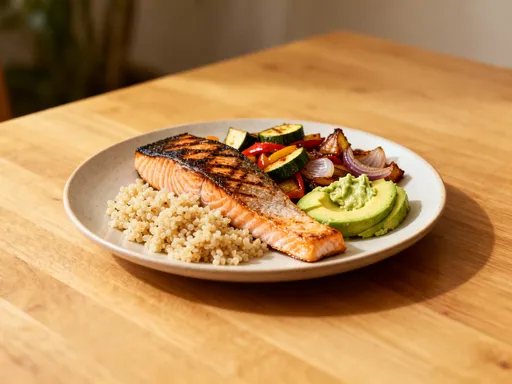
Dinner is best when light and easy to digest. As activity levels slow in the evening, the body doesn’t need large amounts of food. A meal centered on vegetables, a modest portion of protein, and a small serving of whole grains or starchy vegetables supports restful sleep and efficient digestion. Examples include baked salmon with roasted sweet potatoes and broccoli, or a stir-fry with tofu, bell peppers, and brown rice. Eating dinner at a consistent time—ideally at least two to three hours before bedtime—helps regulate the body’s internal clock and supports metabolic health.
Portion awareness is important, but it doesn’t require measuring cups or calorie counting. Simple strategies like using smaller plates, eating slowly, and pausing halfway through a meal can help tune into fullness cues. The goal is not to restrict, but to honor the body’s signals. Additionally, keeping healthy snacks visible—such as a bowl of fruit on the counter or pre-cut vegetables in the fridge—encourages better choices when hunger strikes. When nutritious options are convenient, willpower isn’t needed.
The Role of Consistency Over Perfection
Long-term health is built on consistency, not occasional discipline. No single meal defines your health, just as no single workout defines your fitness. What matters most is the pattern over time. Research shows that making nourishing choices about 80% of the time is sufficient to support well-being, leaving room for flexibility and enjoyment. This approach reduces guilt, increases sustainability, and fosters a healthier relationship with food.
Occasional treats do not derail progress. In fact, allowing yourself to enjoy a piece of cake at a birthday party or a favorite dessert during a family gathering can prevent feelings of deprivation that often lead to bingeing later. The key is balance. When the majority of meals are based on whole, nutrient-dense foods, the body becomes more resilient. It can handle occasional indulgences without significant consequences. This is not permission to overindulge regularly, but an acknowledgment that life includes celebrations, and food is part of that joy.
Setbacks are inevitable. Stress, fatigue, or emotional ups and downs can lead to eating in ways that don’t align with your goals. Instead of viewing these moments as failures, it’s more helpful to see them as feedback. Stress eating, for example, is not a moral flaw—it’s a response to pressure. The solution isn’t stricter rules, but gentler recovery. A simple reset might include drinking water, eating a balanced meal, or taking a short walk. Self-compassion is essential. Speaking to yourself with kindness, rather than criticism, builds emotional resilience and supports long-term change.
Consistency also means showing up, even when motivation is low. On days when cooking feels overwhelming, a simple meal of scrambled eggs and toast is better than skipping food altogether. On busy evenings, a bowl of soup with a side salad can be both nourishing and easy to prepare. The goal is progress, not perfection. Each small choice reinforces the habit, making it easier to continue the next day. Over time, these moments of consistency build a quiet but powerful foundation of health.
Listening to Your Body’s Signals
Your body communicates constantly—through energy levels, digestion, mood, and appetite. But in the rush of daily life, these signals are often ignored or overridden. Learning to listen is one of the most empowering steps toward better health. You don’t need a doctor or a dietitian to tell you how to eat; you already have an internal guide. The challenge is tuning in.
True hunger is a physical sensation—often a slight emptiness in the stomach, a growl, or a dip in energy. It builds gradually and can be satisfied by a variety of foods. In contrast, emotional hunger appears suddenly, often tied to stress, boredom, or fatigue. It craves specific foods, usually sugary or salty, and doesn’t stop when full. Learning to distinguish between these types of hunger helps prevent unnecessary eating and builds awareness of emotional triggers.
Fullness is another important signal. It doesn’t mean being overly stuffed, but feeling comfortably satisfied. Eating slowly—taking at least 20 minutes per meal—gives the brain time to register fullness. Pausing halfway through a meal to assess how you feel can prevent overeating. Many women report that when they begin to eat mindfully, they naturally consume less without feeling deprived.
Food sensitivities can also reveal themselves through subtle symptoms: bloating, gas, fatigue, or brain fog after certain meals. These reactions are not always dramatic, but they provide valuable clues. Keeping a simple journal—recording meals, energy levels, and digestion—can help identify patterns over time. This isn’t about creating obsession, but about building insight. When you notice that dairy leaves you feeling sluggish, or gluten causes bloating, you can make informed choices without rigid rules.
Making It Last: Small Habits That Stick
Sustainable change doesn’t come from dramatic overhauls, but from small, repeatable actions. The most effective habits are those that fit seamlessly into daily life. Habit stacking—linking a new behavior to an existing one—increases the likelihood of success. For example, drinking a glass of water after brushing your teeth in the morning ties hydration to an established routine. Taking a short walk after dinner becomes a natural wind-down ritual that supports digestion and relaxation.
Another powerful habit is adding one serving of vegetables to a daily meal. It could be spinach in your morning eggs, sliced cucumbers with lunch, or steamed broccoli with dinner. Over time, this small act increases nutrient intake without requiring a complete diet change. Similarly, keeping a piece of fruit on your desk or in your bag makes it easier to choose a healthy snack when hunger strikes.
Meal preparation doesn’t have to be time-consuming. Spending 30 minutes on a weekend to wash and chop vegetables, cook a batch of quinoa, or hard-boil a few eggs can save time and reduce stress during the week. These small efforts create a buffer against the temptation of processed convenience foods. The goal isn’t to cook every meal from scratch, but to have healthy components ready when needed.
Ultimately, daily health is not about dramatic transformation, but ongoing commitment. It’s about choosing water over soda, vegetables over chips, and rest over late-night scrolling—not because you have to, but because you want to feel better. Each choice is a quiet act of self-care, a vote for the kind of life you wish to live. When these choices become routine, they no longer feel like effort. They become simply who you are. And that is the true power of real food choices: they don’t just change what you eat—they change how you live.