How I Finally Made Healthy Living Stick — Simple Changes That Actually Work
Starting a healthier lifestyle felt overwhelming at first — endless advice, confusing standards, and no clear path. But over time, I discovered that small, consistent habits make the real difference. This isn’t about perfection; it’s about progress. I’ll walk you through the practical shifts I made, why they matter, and how you can start building a sustainable, healthier life — one realistic step at a time. What began as a quiet frustration with constant fatigue and low motivation eventually became the foundation for lasting change. It wasn’t a dramatic diagnosis or a sudden crisis that prompted action, but the slow accumulation of days when I simply didn’t feel like myself. That experience is more common than many realize, and it’s often the first sign that something in our daily routine needs attention. The good news is that real, meaningful health doesn’t require drastic measures — it begins with awareness, followed by intentional, manageable choices.
The Breaking Point: When "Normal" Wasn’t Working Anymore
For years, I considered my lifestyle “normal” — a full schedule, constant multitasking, and just enough movement to offset a mostly sedentary routine. I ate meals when convenient, often skipping breakfast or grabbing processed snacks during busy afternoons. Sleep was inconsistent, usually sacrificed for extra hours of work or screen time. At first, these habits didn’t seem harmful. After all, I wasn’t sick, I wasn’t overweight, and I could still manage daily responsibilities. But over time, the subtle effects became harder to ignore: persistent low energy, difficulty concentrating, irritability, and a general sense of being run down. I wasn’t unwell in a diagnosable way, but I also wasn’t thriving.
It wasn’t until a routine checkup revealed slightly elevated blood pressure and cholesterol levels that I realized “normal” didn’t necessarily mean “healthy.” My doctor didn’t prescribe medication, but gently suggested that lifestyle adjustments could make a significant difference. That conversation was a turning point. I began to understand that health isn’t just the absence of disease — it’s the presence of vitality, resilience, and balance. The habits I had dismissed as minor were, in fact, shaping my long-term well-being in ways I hadn’t considered. This awareness didn’t lead to panic or drastic overhauls, but to curiosity: what small changes could I make that would actually stick?
The concept of personal health standards became central to my shift in thinking. Instead of comparing myself to fitness influencers or striving for an idealized version of wellness, I focused on what would help me feel better in my own body and mind. These standards weren’t rigid rules, but guiding principles — like having steady energy throughout the day, sleeping soundly, and feeling mentally clear. They were measurable not by a scale or a fitness tracker, but by how I felt in my daily life. This redefinition made the journey more personal and sustainable. It wasn’t about achieving perfection; it was about creating a life where feeling well became the default, not the exception.
Rethinking Health: What Does "Normal" Even Mean?
One of the biggest obstacles to lasting change is the misunderstanding of what true health actually looks like. Many people equate health with appearance — being thin, fit, or free from visible symptoms. Others assume that as long as they don’t have a medical diagnosis, they must be fine. But modern health science tells a different story. True health is not just the absence of illness; it’s a dynamic state of physical, mental, and emotional balance that supports long-term well-being. It’s preventive, not reactive. It’s built through daily habits, not last-minute fixes.
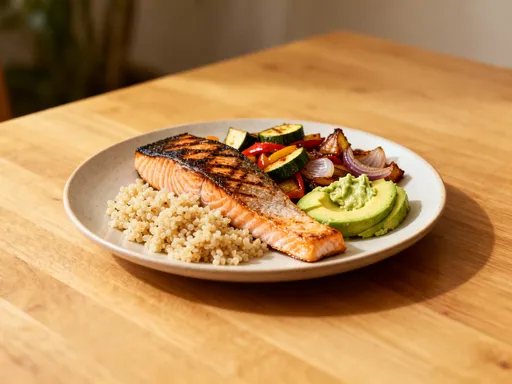
Consider nutrition. A common misconception is that eating healthy means following a strict diet — cutting out entire food groups, counting every calorie, or relying on expensive superfoods. In reality, balanced nutrition is about consistency and variety. It means incorporating whole grains, lean proteins, healthy fats, and a wide range of colorful fruits and vegetables into regular meals. It’s not about eliminating treats, but about making nutrient-dense foods the foundation of your diet. Studies consistently show that dietary patterns rich in plant-based foods are associated with lower risks of chronic diseases like heart disease, type 2 diabetes, and certain cancers. The key is sustainability — choosing foods you enjoy and can maintain over time, rather than adopting short-term restrictions that often lead to rebound eating.
Physical activity is another area where myths persist. Some believe that to be healthy, you must spend hours in the gym or achieve intense workouts daily. But research shows that consistent, moderate movement is far more effective for long-term health than sporadic, high-intensity efforts. Walking, for example, is one of the most accessible and scientifically supported forms of exercise. It improves cardiovascular health, supports joint mobility, and enhances mood through the release of endorphins. The Centers for Disease Control and Prevention (CDC) recommends at least 150 minutes of moderate-intensity aerobic activity per week — a goal easily met with a 30-minute walk five days a week. The emphasis is on regularity, not intensity.
Mental recovery and sleep quality are often overlooked components of health. Yet, they are just as critical as diet and exercise. Chronic stress and poor sleep have been linked to a range of health issues, including weakened immunity, weight gain, and cognitive decline. Quality sleep allows the body to repair tissues, regulate hormones, and consolidate memory. Adults typically need 7 to 9 hours of sleep per night, but many fall short due to irregular schedules, screen exposure before bed, or high stress levels. Prioritizing rest is not a luxury — it’s a biological necessity. True health, therefore, is holistic. It’s not about excelling in one area while neglecting others, but about creating harmony across all aspects of daily life.
Where Most Beginners Go Wrong — And How to Avoid It
When people decide to get healthier, many start with enthusiasm and big goals: lose 20 pounds in a month, run a marathon in three months, or completely overhaul their diet overnight. While motivation is valuable, these all-or-nothing approaches often set people up for disappointment. The problem isn’t the desire for change — it’s the strategy. Extreme diets, such as very low-calorie plans or elimination of entire macronutrients, may lead to short-term results but are rarely sustainable. They can slow metabolism, lead to nutrient deficiencies, and increase the likelihood of binge eating once the restriction ends. Similarly, jumping into intense workout routines without building a foundation can result in injury, fatigue, or burnout.
Another common pitfall is the pursuit of perfection. Many women, especially in midlife, feel pressure to “get it right” the first time — to eat perfectly, exercise daily, and maintain flawless discipline. When they inevitably miss a workout or eat something off-plan, they interpret it as failure, which can trigger guilt and lead to abandoning the effort altogether. This black-and-white thinking undermines long-term success. Health is not a test with a pass or fail outcome — it’s a lifelong practice that includes setbacks, adjustments, and learning.
The mindset shift that made the most difference for me was focusing on consistency over intensity, and progress over perfection. Instead of asking, “Am I doing enough?” I began asking, “Am I moving in the right direction?” This subtle change reduced pressure and made it easier to keep going, even on days when motivation was low. Research in behavioral psychology supports this approach. Studies show that small, repeated actions are more likely to become habits than dramatic but short-lived efforts. The brain learns through repetition, not intensity. By choosing manageable changes — like adding one serving of vegetables to dinner or taking a 10-minute walk after lunch — I built momentum without overwhelming myself.
Another key was setting process-oriented goals rather than outcome-based ones. Instead of aiming to lose a certain number of pounds, I focused on behaviors I could control: drinking more water, going to bed at a consistent time, or preparing one healthy meal per day. These goals were measurable, achievable, and independent of external results. Over time, the outcomes followed naturally — improved energy, better digestion, and gradual weight stabilization — but they were side effects of consistent habits, not the sole measure of success. This approach fostered resilience, making it easier to stay the course even when progress felt slow.
My First Three Changes — Small But Game-Changing
When I began my journey, I knew I needed changes that were simple, sustainable, and supported by science. I started with three foundational habits: increasing water intake, incorporating daily walking, and improving sleep hygiene. These weren’t flashy or extreme, but they addressed core areas that influence overall well-being. Each one had a ripple effect, making other healthy choices easier over time.
The first change was drinking more water. I used to rely on coffee and sugary drinks, often going hours without water. Dehydration, even at mild levels, can impair concentration, reduce energy, and contribute to headaches. The brain is about 75% water, and even slight deficits can affect cognitive performance. I started by carrying a reusable water bottle and setting a goal of six to eight glasses per day. Within a week, I noticed improvements in mental clarity and fewer afternoon slumps. Digestion also became more regular, which research links to adequate fluid intake. This small shift made me more aware of my body’s signals and encouraged better food choices — I was less likely to mistake thirst for hunger.
The second change was walking daily. I didn’t start with long distances or speed — just 15 to 20 minutes after dinner. Walking is low-impact, requires no equipment, and can be done almost anywhere. It helped me decompress after a busy day and created a natural transition from work to family time. Over time, I increased the duration and pace, but the consistency mattered most. Studies show that regular walking improves cardiovascular health, supports weight management, and enhances mood by reducing stress hormones like cortisol. It also strengthens bones and muscles, which is especially important as we age. For me, it became a form of moving meditation — a chance to reflect, breathe, and reconnect with myself.
The third change was improving sleep hygiene. I used to scroll through my phone in bed, go to sleep at different times each night, and wake up feeling groggy. I learned that sleep quality depends on routine and environment. I set a consistent bedtime, turned off screens an hour before sleeping, and created a calming pre-sleep ritual — reading or gentle stretching. I also made sure my bedroom was cool, dark, and quiet. These adjustments aligned with my body’s natural circadian rhythm, making it easier to fall asleep and stay asleep. Within weeks, I woke up more refreshed and had more energy during the day. Sleep became a priority, not an afterthought, and it positively influenced every other area of my health.
Building Habits Without Burning Out
One of the most powerful concepts I discovered was habit stacking — the practice of linking a new behavior to an existing one. Instead of relying on willpower, which can be unreliable, I used daily routines as anchors. For example, I paired drinking a glass of water with brushing my teeth in the morning. I linked my evening walk to finishing dinner. These small connections made the new habits feel automatic over time. Behavioral science shows that habits are formed through cue-routine-reward loops. By attaching a new action to a familiar cue, the brain learns to expect it, reducing resistance.
Environmental design also played a crucial role. I made healthy choices easier by adjusting my surroundings. I left my walking shoes by the door so they were visible and accessible. I kept a water bottle on my desk and in the kitchen. I prepped healthy snacks in advance so they were ready when hunger struck. These small changes reduced decision fatigue — the mental exhaustion that comes from making too many choices. When healthy options are convenient, they become the default. Research in public health supports this approach: people are more likely to engage in positive behaviors when the environment supports them.
Patience was another essential ingredient. I had to accept that results wouldn’t be immediate. Some days, I didn’t feel different. Some weeks, progress seemed invisible. But I learned to track subtle improvements — better mood, fewer cravings, more stable energy — rather than focusing only on the scale. Journaling helped me notice patterns and stay motivated. Over time, these small wins accumulated into lasting change. The key was consistency, not perfection. Missing a day didn’t mean failure — it meant I was human. What mattered was returning to the habit the next day without guilt or self-criticism.
When Life Gets in the Way — Staying on Track Without Guilt
Life is unpredictable. There are busy seasons, family obligations, travel, holidays, and unexpected stressors. During these times, maintaining a routine can feel impossible. I’ve learned that rigidity leads to frustration, while flexibility supports sustainability. Instead of aiming for 100% adherence, I adopted the 80/20 rule: doing healthy things 80% of the time and allowing flexibility for the other 20%. This doesn’t mean giving up — it means recognizing that balance is more realistic and effective than perfection.
During hectic weeks, I focused on maintaining one or two anchor habits — like staying hydrated and getting some form of movement — even if everything else slipped. I also expanded my definition of self-care beyond food and exercise. Rest, connection, and emotional well-being are just as important. A 10-minute meditation, a phone call with a friend, or simply saying no to an extra commitment can be powerful acts of self-care. These practices helped me manage stress, which in turn supported healthier choices.
When I missed a workout or ate something unplanned, I practiced self-compassion. Instead of labeling it a failure, I viewed it as part of a long-term pattern. Research shows that self-criticism undermines motivation, while kindness supports resilience. I reminded myself that one meal or one day doesn’t define my health. What matters is the overall trajectory. Over time, this mindset reduced anxiety around food and fitness, making the journey more enjoyable and sustainable.
From Surviving to Thriving — What Real Health Feels Like
Looking back, the transformation wasn’t dramatic — no single moment changed everything. It was the quiet accumulation of small choices, repeated over months and years. I didn’t wake up one day feeling completely different. Instead, I noticed gradual shifts: more energy to play with my children, better focus at work, improved digestion, and a greater sense of calm. I stopped chasing quick fixes and began living in a way that naturally supported my well-being.
Real health, I’ve learned, isn’t about reaching a destination. It’s about creating a lifestyle that feels good and is sustainable for the long term. It’s about listening to your body, honoring your limits, and making choices that align with your values. It’s about progress, not perfection. And it’s available to anyone, regardless of age, fitness level, or starting point.
If you’re feeling stuck or overwhelmed, remember this: you don’t need to do everything at once. Start with one small change. Drink more water. Take a short walk. Go to bed 15 minutes earlier. These tiny actions build the foundation for lasting health. Over time, they become habits. And habits become a life. Health isn’t something you achieve — it’s something you live, one choice at a time.