How I Balanced My Plate to Finally Balance My Life
Ever feel like your day spirals out of control by 3 p.m.? I did—until I realized work-life balance isn’t just about time management. It’s about energy management. And what I ate, and how I combined foods, changed everything. No magic pills, no extreme diets—just real meals that kept me focused, calm, and productive. This is how tweaking my plate reshaped my routine, mood, and sense of control. For years, I blamed my fatigue on being a working mother, on long hours, on kids’ schedules. But the truth was, my energy wasn’t collapsing because of too much to do—it was collapsing because of what I was eating. Once I began to see food not just as nourishment but as the foundation of mental clarity and emotional resilience, everything shifted.
The Burnout Breakthrough: When Food Became My Reset Button
There was a moment—unremarkable in appearance but profound in impact—when I sat at my kitchen table, staring blankly at a to-do list I’d already failed to finish. It was 2:47 p.m. I had eaten a muffin and coffee for breakfast, a sandwich and chips for lunch, and by mid-afternoon, my brain felt like it was wrapped in fog. I wasn’t tired from lack of sleep. I wasn’t overwhelmed by one single task. I was mentally drained, emotionally frayed, and physically shaky—all by early afternoon. That day, I finally asked myself: What if the problem isn’t my schedule, but my fuel?
This question marked the beginning of a quiet but powerful transformation. I began to notice a pattern: on days when I ate lighter, carb-heavy meals, my energy spiked and crashed with alarming predictability. By contrast, on the rare days I ate something more substantial—like leftovers with grilled chicken, vegetables, and a bit of rice—I stayed steady. My focus held. My mood remained even. The realization was simple but revolutionary: my diet was quietly undermining my ability to cope. I wasn’t just burning out from overwork—I was starving my brain of the nutrients it needed to regulate stress, maintain attention, and manage emotions.
What I didn’t know then was that this experience is backed by science. The brain runs on glucose, but it thrives on stability. Rapid spikes and drops in blood sugar don’t just make you hungry—they impair cognitive function, increase irritability, and heighten the body’s stress response. When I was eating meals that caused my blood sugar to surge and plummet, I wasn’t just feeling sluggish—I was triggering a biological stress cascade. Cortisol, the stress hormone, would rise. My nervous system would stay on high alert. And by late afternoon, I wasn’t just tired—I was emotionally raw, reactive, and unable to reset. The breakthrough came when I stopped seeing food as separate from mental health and started seeing it as the very thing that could support it.
Why Work-Life Balance Isn’t Just About Scheduling
Most conversations about work-life balance focus on calendars, boundaries, and time-blocking. And while those tools matter, they often miss a deeper truth: you can have a perfectly organized schedule and still feel completely out of balance if your energy is unstable. Time is not the only limited resource we manage—energy is just as critical, if not more so. And energy doesn’t come from motivation alone. It comes from biology. What we eat directly influences how alert we feel, how well we handle pressure, and how quickly we recover from mental exertion.
Consider this: two women start their day at the same time, with the same workload. One eats a breakfast of sugary cereal and juice. The other eats eggs, whole grain toast, and a piece of fruit. By 10 a.m., the first woman is reaching for a second coffee, feeling jittery and distracted. The second feels steady, clear-headed, and ready to tackle her tasks. The difference isn’t discipline. It’s biochemistry. The first meal caused a rapid rise in blood glucose, followed by a sharp drop—leading to fatigue, brain fog, and cravings. The second provided a slow, steady release of energy, thanks to the balance of protein, fiber, and healthy fats.
This is why managing energy is just as important as managing time. When your body and brain are fueled consistently, you’re better equipped to stay calm under pressure, think clearly, and engage with your family and work without resentment or exhaustion. Research consistently shows that dietary patterns influence mood, cognitive performance, and stress resilience. Diets high in refined carbohydrates and added sugars are linked to higher rates of fatigue, anxiety, and mental burnout. In contrast, balanced meals that include quality protein, complex carbohydrates, and healthy fats support sustained attention, emotional regulation, and mental endurance. Work-life balance, then, isn’t just about carving out time for self-care—it’s about creating the internal conditions that make self-care possible.
The Hidden Power of Dietary Combinations
It’s not just what you eat—it’s how you combine it. This was the insight that changed everything for me. I used to think eating healthy meant choosing the right individual foods: oatmeal for breakfast, a salad for lunch, grilled fish for dinner. But I still crashed by midday. The missing piece was combination. A bowl of plain oatmeal, while nutritious, is mostly carbohydrates. Without protein or fat, it digests quickly, causing a spike in blood sugar and a subsequent crash. But add a spoonful of nut butter and a handful of nuts, and the story changes. Now, the meal releases energy slowly, keeping you full and focused for hours.
The magic lies in the synergy between macronutrients. Protein slows digestion and helps stabilize blood sugar. Fiber, especially from whole grains, vegetables, and legumes, adds bulk and further regulates glucose absorption. Healthy fats—like those found in avocados, olive oil, nuts, and seeds—provide long-lasting energy and support brain function. When these three are combined, they create a powerful buffer against energy crashes. A meal with only carbohydrates, even if they’re whole grains, can still lead to fatigue if not paired with protein and fat. But a balanced plate—say, quinoa with black beans, roasted vegetables, and a drizzle of olive oil—delivers steady fuel and mental clarity.
I began to see my meals not as isolated events but as energy strategies. Instead of grabbing a granola bar as a snack, I paired apple slices with almond butter. Instead of a plain sandwich, I added sliced avocado and a hard-boiled egg. These small shifts didn’t just prevent hunger—they prevented the mental fog, the irritability, the urge to scroll mindlessly through my phone just to escape the fatigue. The difference was not dramatic at first, but over time, it became undeniable. I had more patience with my children. I responded to work emails with clarity instead of reactivity. I stopped dreading the afternoon slump. The food itself hadn’t changed drastically—but the way I combined it had transformed my daily experience.
My Go-To Balanced Plate Formula (And Why It Works)
After months of trial and error, I developed a simple, flexible framework that works for breakfast, lunch, and dinner: the 1:2:1 ratio. For every meal, I aim for one part protein, two parts fiber-rich carbohydrates, and one part healthy fat. This isn’t a rigid rule—it’s a guideline that brings balance without perfectionism. It’s easy to remember, easy to adapt, and most importantly, easy to sustain in real life.
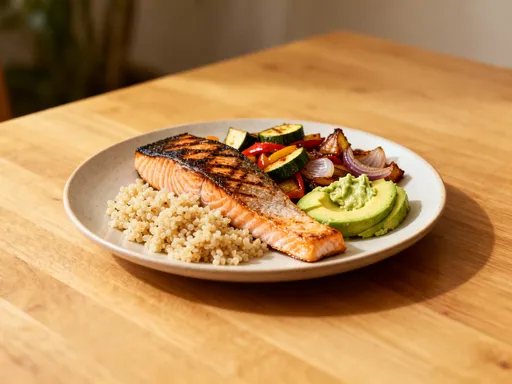
For breakfast, this might look like scrambled eggs (protein), a bowl of oatmeal with berries (fiber-rich carbs), and a quarter of an avocado (healthy fat). For lunch, it could be grilled chicken (protein), a large portion of roasted sweet potatoes and broccoli (fiber-rich carbs), and a drizzle of olive oil (healthy fat). Dinner might be baked salmon (protein), quinoa and sautéed spinach (fiber-rich carbs), and a few walnuts (healthy fat). The key is proportion and variety. I don’t eat the same thing every day, but I use this ratio as a compass to guide my choices, even when I’m tired or short on time.
What makes this formula work is its simplicity and accessibility. The ingredients are affordable, widely available, and familiar. I don’t need special supplements or exotic superfoods. I shop at my local grocery store and prepare meals in under 30 minutes most days. On busy evenings, I rely on leftovers or quick combinations—like a bowl of Greek yogurt (protein), mixed fruit and granola (fiber-rich carbs), and a sprinkle of chia seeds (healthy fat). The beauty of this approach is that it doesn’t require a kitchen overhaul or a personal chef. It’s designed for real life—messy schedules, picky eaters, and all.
Small Shifts, Big Ripples: How Eating Differently Changed My Routine
The changes didn’t happen overnight, but the ripple effects were profound. Within two weeks of consistently applying the 1:2:1 ratio, I noticed I was no longer reaching for a second or third cup of coffee by mid-morning. My afternoon energy dips faded. I stopped buying snacks at the office vending machine. I felt less anxious during work meetings and more present during family dinners. These weren’t dramatic transformations—they were quiet victories, but they added up.
One of the most unexpected benefits was improved sleep. When my blood sugar stayed stable during the day, my body didn’t experience the late-night crashes that used to trigger midnight cravings. I stopped eating dessert out of exhaustion and began to wind down naturally. My sleep became deeper, more restful. And with better sleep came better mood regulation. I was less reactive to stress. I had more patience with my children. I found myself laughing more, worrying less, and feeling more in control of my day—even when the to-do list was long.
Perhaps the most meaningful shift was emotional. I stopped feeling guilty about not doing enough. I stopped measuring my worth by productivity. Instead, I began to see my energy as a resource to be nurtured, not exploited. Eating to support my mental and physical well-being became an act of self-respect. I wasn’t just feeding my body—I was honoring my life. The scale didn’t change dramatically, but that wasn’t the point. The non-scale victories—focus, calm, resilience—were far more valuable. I wasn’t chasing balance anymore. I was living it.
Science Meets Simplicity: What Experts Actually Say
What I experienced wasn’t a fluke—it’s supported by a growing body of research. Health professionals and nutrition scientists agree that balanced meals play a critical role in cognitive performance, emotional stability, and long-term well-being. While no single study proves that the 1:2:1 ratio is the perfect formula, the principles behind it are well-established. Combining protein, fiber, and healthy fats helps regulate blood glucose, which in turn supports sustained mental energy and reduces the risk of fatigue and mood swings.
Studies have shown that diets with a lower glycemic load—meaning they cause a slower, more gradual rise in blood sugar—are associated with better concentration, reduced mental fatigue, and lower levels of perceived stress. This doesn’t mean eliminating carbohydrates. It means choosing complex ones—like whole grains, legumes, and vegetables—and pairing them wisely. The brain needs glucose to function, but it performs best when that glucose is delivered steadily, not in sudden bursts.
Nutrition experts also emphasize the importance of consistency. Skipping meals, relying on processed snacks, or eating at irregular times can disrupt metabolic rhythms and impair cognitive function. Regular, balanced meals help maintain a stable internal environment, which supports everything from decision-making to emotional regulation. This isn’t about following a trendy diet or achieving a certain body shape. It’s about creating a sustainable eating pattern that supports a full, engaged life. The goal isn’t perfection—it’s progress. It’s making choices that align with your values, your energy needs, and your long-term health.
Making It Stick Without the Stress
Change is hard, especially when you’re already stretched thin. I didn’t adopt this way of eating overnight, and I don’t expect perfection. What helped me was focusing on small, manageable steps. I started by revamping one meal—breakfast—because it set the tone for the rest of the day. Once that felt natural, I moved to lunch, then dinner. I also embraced batch cooking. On Sunday afternoons, I’d roast a tray of vegetables, cook a pot of quinoa, and hard-boil a few eggs. These components could be mixed and matched throughout the week, making it easy to assemble balanced meals even on the busiest days.
Grocery shopping became more intentional. I learned to read labels and avoid products with hidden sugars and refined oils. I stocked my pantry with staples like oats, canned beans, nuts, seeds, and whole grain pasta. I kept fresh fruit and vegetables visible and within reach. When eating out, I looked for meals that naturally fit the 1:2:1 ratio—like a salad with grilled chicken, beans, and avocado, or a bowl with lean protein, brown rice, and vegetables. I allowed myself flexibility. If I was at a party or traveling, I didn’t stress over every bite. The goal was consistency, not purity.
For families with picky eaters, I found that gradual introduction worked best. I started by adding one new ingredient at a time—like slicing avocado onto a sandwich or mixing beans into pasta. I involved my kids in meal prep, which made them more open to trying new combinations. Most importantly, I let go of guilt. There were days when we ate pizza or ordered takeout. That’s okay. Sustainable change isn’t about never slipping up—it’s about returning to balance, again and again. Progress, not perfection, is the real measure of success.
True balance starts not with a planner, but with a plate. By treating food as fuel for both body and mind, I stopped chasing productivity and started sustaining it. This isn’t about rigid rules—it’s about making choices that honor your energy, time, and well-being. When you eat to support your life, life becomes easier to live.