How Hiking Became My Secret Weapon Against Chronic Illness
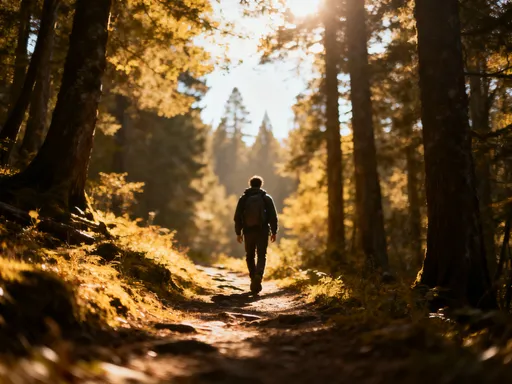
You don’t need a gym or expensive gear to protect your health—just a trail and the will to walk. I started hiking to clear my mind, but soon noticed something unexpected: fewer colds, more energy, and my blood pressure quietly improving. Science confirms what many instinctively feel—regular time in nature isn’t just calming, it’s a powerful shield against chronic diseases. This is how hiking transformed from a weekend escape into my most effective prevention habit.
The Hidden Cost of Modern Life (and Why We’re Getting Sicker)
Modern life, for all its comforts and conveniences, has quietly reshaped the way we live—and not always for the better. Many people today spend the majority of their days seated, whether at a desk, in a car, or on a couch. This sedentary lifestyle is now recognized as a major contributor to the rising rates of chronic illness worldwide. Conditions such as heart disease, type 2 diabetes, high blood pressure, and anxiety disorders have become increasingly common, not because of genetic shifts, but because of changes in daily behavior and environment.
Urban living, while offering access to services and opportunities, often lacks natural spaces where people can move freely and breathe clean air. Constant exposure to noise, artificial light, and digital stimulation keeps the body in a low-grade state of stress. This chronic stress triggers the release of cortisol, a hormone that, in excess, can impair immune function, disrupt sleep, and increase inflammation—key drivers behind many long-term health problems. Over time, the body wears down, making it more vulnerable to illness.
Yet, the solution does not always require expensive interventions or drastic lifestyle changes. One of the most accessible and effective counterbalances to modern health risks is also one of the oldest human activities: walking in nature. Hiking, in particular, offers a unique combination of physical movement and natural immersion that addresses multiple aspects of health at once. It is not a miracle cure, but a consistent, sustainable practice that helps restore balance to a system overwhelmed by modern demands.
Hiking 101: More Than Just a Walk in the Woods
At its core, hiking is moderate-intensity aerobic activity that takes place on natural terrain. Unlike walking on flat city sidewalks or indoor treadmills, hiking involves variable surfaces—dirt paths, rocky trails, grassy slopes—and often includes changes in elevation. These variations require the body to engage more muscles, maintain balance, and adapt to shifting conditions, making it a more dynamic form of exercise. Even a gentle uphill climb increases heart rate and oxygen demand, offering cardiovascular benefits that surpass those of level-ground walking.
What sets hiking apart is not just the physical challenge, but the environment in which it takes place. Being surrounded by trees, fresh air, and natural sounds activates the parasympathetic nervous system, which helps the body relax and recover. This dual benefit—physical exertion combined with mental restoration—is rare in most forms of modern exercise. While a gym session may strengthen muscles, it does not typically reduce stress in the same way that a forest trail does.
Another misconception is that hiking must be strenuous or time-consuming to be effective. Research shows that even short, weekly hikes of 30 to 60 minutes can lead to measurable improvements in blood pressure, mood, and immune markers. The key is consistency. A weekly routine of moderate outdoor walking, especially on uneven terrain, provides enough stimulus to strengthen the heart, improve circulation, and support joint health without placing excessive strain on the body. For many, this makes hiking a more sustainable option than high-intensity workouts that often lead to burnout or injury.
How Hiking Strengthens Your Heart (And Why It Matters)
The heart is a muscle, and like any muscle, it becomes stronger with regular use. Hiking provides sustained cardiovascular exercise that challenges the heart in a healthy, gradual way. When walking uphill or over uneven ground, the heart must pump more blood to deliver oxygen to working muscles. Over time, this improves circulation, lowers resting heart rate, and enhances the heart’s efficiency. These changes are critical in reducing the risk of cardiovascular diseases, which remain the leading cause of death globally.
Studies have consistently shown that people who engage in regular outdoor physical activity, including hiking, have lower rates of hypertension, coronary artery disease, and stroke. One long-term analysis published in the British Journal of Sports Medicine found that individuals who spent at least two hours per week in natural environments had a significantly lower risk of developing heart-related conditions. The benefits were independent of age, income, or pre-existing health status, suggesting that access to nature and movement are universal protective factors.
For optimal heart health, experts recommend hiking at a moderate intensity—where conversation is possible but slightly breathless—for at least 150 minutes per week, spread across three to five sessions. Trails with a gentle to moderate incline, such as forest paths or rolling hills, are ideal. These provide enough resistance to elevate heart rate without overexertion. Beginners can start with shorter hikes and gradually increase duration and difficulty. The goal is not speed or distance, but steady, rhythmic movement that keeps the heart engaged over time.
Boosting Immunity One Step at a Time
The immune system thrives on balance, and moderate physical activity is one of the most effective ways to support its function. Hiking, as a form of sustained, low-impact exercise, increases the circulation of immune cells such as neutrophils, natural killer cells, and lymphocytes. These cells play a crucial role in detecting and eliminating pathogens before they cause illness. Regular hikers often report fewer colds, shorter recovery times, and a general sense of resilience—effects supported by clinical research.
What makes hiking especially powerful is the added benefit of being in nature. The Japanese practice of shinrin-yoku, or “forest bathing,” has been studied extensively for its immune-boosting effects. Research conducted by the Nippon Medical School found that spending time in forest environments increases the activity of natural killer cells and raises levels of anti-cancer proteins. These effects can last for days after a single visit, suggesting that even occasional hikes contribute to long-term immune health.
The mechanisms behind this are multifaceted. Trees release phytoncides—natural essential oils that protect them from insects and decay. When humans inhale these compounds, they appear to stimulate immune function. Additionally, the reduction in stress hormones like cortisol during nature exposure allows the immune system to function more efficiently. Unlike intense workouts that can temporarily suppress immunity, moderate hiking supports it. For individuals managing chronic conditions or recovering from illness, this makes hiking a gentle yet effective way to strengthen the body’s defenses.
Mental Resilience and Disease Prevention: The Overlooked Link
Mental and physical health are deeply interconnected, yet the role of emotional well-being in disease prevention is often underestimated. Chronic stress, anxiety, and depression are not just psychological concerns—they are physiological states that increase systemic inflammation, disrupt hormone balance, and weaken the immune response. Over time, this creates an internal environment where chronic diseases can take root. Heart disease, for example, is more prevalent in individuals with long-term depression, not solely due to behavior, but because of the biological changes stress induces.
Hiking offers a natural antidote to this cycle. The rhythmic motion of walking, combined with exposure to sunlight and greenery, helps regulate mood-related neurotransmitters such as serotonin and dopamine. Sunlight exposure boosts vitamin D levels, which are linked to improved mood and reduced risk of autoimmune disorders. The visual complexity of natural landscapes—fractals in tree branches, patterns in leaves—has been shown to reduce mental fatigue and promote a state of soft fascination, allowing the mind to rest and reset.
Studies using cortisol measurements have found that just 20 to 30 minutes in a natural setting can significantly lower stress hormone levels. For women managing the demands of family, work, and caregiving, this kind of relief is invaluable. By reducing chronic stress, hiking indirectly lowers the risk of inflammation-driven conditions such as arthritis, metabolic syndrome, and certain digestive disorders. It is not merely an escape, but a form of preventive medicine that addresses the root causes of many modern illnesses.
Building Long-Term Habits: Making Hiking Stick
Knowing the benefits of hiking is one thing; making it a regular part of life is another. Many people face real barriers—lack of time, uncertainty about where to go, or concerns about physical ability. The key to overcoming these obstacles is to shift the mindset from viewing hiking as a major expedition to seeing it as a form of daily self-care. Like brushing your teeth or preparing a healthy meal, it can become a non-negotiable part of a wellness routine.
Start small. A 15-minute walk in a local park counts. Gradually increase the duration as stamina improves. Choose trails that match your current fitness level—flat nature paths, botanical gardens, or tree-lined reservoirs are excellent starting points. Comfortable footwear and weather-appropriate clothing are more important than specialized gear. The goal is accessibility, not adventure.
Social support can also make a difference. Inviting a friend or family member turns hiking into a shared experience, increasing motivation and accountability. For those who prefer solitude, apps like AllTrails or Gaia GPS can help locate nearby trails, read reviews, and track progress. These tools make it easier to plan outings without feeling overwhelmed. Most importantly, focus on consistency rather than intensity. A weekly hike, even if short, is more beneficial than an occasional strenuous climb followed by weeks of inactivity.
Beyond the Body: How Nature Shapes Healthier Choices
The benefits of hiking extend far beyond the physical and mental effects experienced during the walk itself. Time spent outdoors often leads to positive ripple effects in other areas of life. Many regular hikers report improved sleep quality, likely due to increased exposure to natural light, which helps regulate circadian rhythms. Better sleep, in turn, supports hormone balance, immune function, and emotional stability.
Reduced screen time is another indirect benefit. When people spend hours in nature, they naturally disengage from phones, emails, and social media. This digital detox reduces mental clutter and allows for greater presence and mindfulness. Over time, this shift can lead to healthier relationships with technology and a more intentional approach to daily life.
Some also find that time in nature influences their eating habits. After a hike, there is often a natural craving for wholesome, energizing foods—fresh fruits, nuts, whole grains—rather than processed snacks. This is not due to restriction, but to a renewed connection with the body’s true needs. These small, unconscious shifts—better sleep, less screen time, healthier eating—collectively contribute to a lifestyle that resists chronic disease. Hiking, therefore, acts not only as direct medicine but as a catalyst for broader, sustainable change.
Hiking isn’t a cure, but it’s one of the most effective prevention tools we have. It strengthens the heart, sharpens the immune system, calms the mind, and quietly reshapes daily habits. Unlike pills or procedures, it asks only for your time and steps. In a world full of complex health advice, sometimes the simplest path—literally walking forward—is the most powerful. Always consult a healthcare provider before starting any new fitness routine, especially with pre-existing conditions.