How I Found Calm and Strength Through Qigong—And You Can Too
For years, I felt constantly drained—mentally foggy, physically stiff, emotionally off. I tried everything from intense workouts to strict diets, but nothing brought lasting balance. Then I discovered qigong, an ancient practice rooted in traditional Chinese medicine. It wasn’t flashy, but it worked. Slow movements, mindful breathing, and consistent practice gradually transformed my energy, focus, and overall well-being. This is the real story of how qigong helped me regain control—naturally and gently.
The Hidden Burnout Epidemic – Why Modern Life Leaves Us Empty
In today’s fast-paced world, many women in their 30s, 40s, and 50s carry invisible burdens. The demands of family, work, household management, and personal expectations often pile up silently, creating a low-grade but persistent state of exhaustion. This isn’t just fatigue—it’s a systemic depletion that affects mental clarity, emotional resilience, and physical vitality. Chronic stress, poor sleep quality, and sedentary lifestyles disrupt the body’s natural rhythms, leading to a cascade of symptoms: brain fog, low motivation, irritability, and a weakened immune system. These are not just signs of being ‘busy’—they are signals that the body’s internal balance is out of alignment.
Traditional Chinese Medicine (TCM) offers a framework for understanding this imbalance through the concept of Qi (pronounced “chee”), the vital life force that flows through the body along energy pathways known as meridians. When Qi flows smoothly, the body functions optimally. When it becomes blocked or depleted, health suffers. Unlike Western medicine, which often focuses on treating symptoms, TCM emphasizes restoring harmony within the whole system. According to this view, fatigue, anxiety, and even recurring minor illnesses are not isolated issues but reflections of deeper energetic disharmony. Recognizing these signs as early warnings—not normal parts of aging or busy life—can be the first step toward meaningful recovery.
For many women, especially those managing households and careers, the idea of adding another health regimen can feel overwhelming. Yet the cost of ignoring these signals is high. Long-term stress increases cortisol levels, which over time can contribute to weight gain, sleep disturbances, and cardiovascular strain. Poor posture from desk work or caregiving roles leads to chronic tension in the neck, shoulders, and back. Emotional strain accumulates, making it harder to stay patient with children, partners, or coworkers. The body is not designed to operate in constant survival mode. It needs moments of restoration, not just physical rest but energetic renewal. This is where practices like qigong offer a gentle yet powerful alternative to the more aggressive solutions often promoted in modern wellness culture.
What Exactly Is Qigong? Breaking Down the Basics
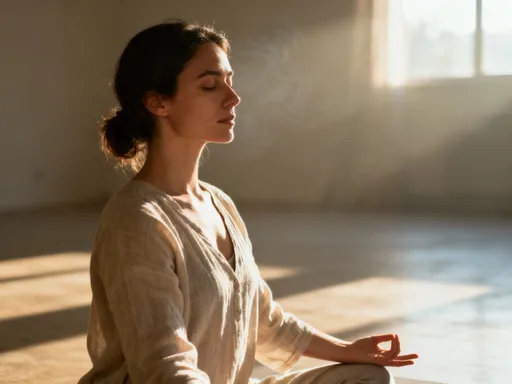
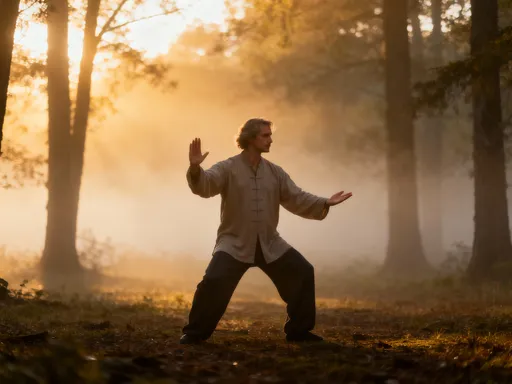
Qigong (pronounced “chee-gong”) is a mind-body practice that combines slow, deliberate movements, controlled breathing, and focused intention to cultivate and balance Qi. It has been used for thousands of years in Chinese healing traditions and is now gaining recognition in integrative health circles worldwide. At its core, qigong is about reconnecting the body, breath, and mind in a way that supports natural healing and vitality. Unlike high-intensity workouts that push the body to its limits, qigong works with the body’s innate rhythms, encouraging relaxation, awareness, and energy flow.
One of the most important things to understand about qigong is that it is not a religion, nor is it based on mystical beliefs. It is a structured system with practical techniques that anyone can learn, regardless of age, fitness level, or background. There are hundreds of qigong forms, but most fall into two categories: dynamic (involving gentle movement) and meditative (focused on stillness and breath). The movements are simple—often mimicking natural actions like lifting, stretching, or swaying—and are designed to open energy channels, release tension, and improve circulation. Each movement is synchronized with the breath, creating a rhythmic flow that calms the nervous system and enhances body awareness.
What makes qigong especially accessible is that it requires no special equipment, gym membership, or physical strength. A quiet space, comfortable clothing, and a few minutes a day are all that’s needed. It can be practiced standing, sitting, or even lying down, making it suitable for people with limited mobility or chronic pain. In China, qigong is commonly taught in community parks, hospitals, and rehabilitation centers as part of preventive and restorative care. In the West, it is increasingly being integrated into programs for stress reduction, chronic illness management, and overall well-being. For busy women who need a sustainable way to care for themselves without adding more pressure, qigong offers a realistic and deeply effective option.
Why Qigong Works: The Science Behind the Stillness
While qigong has ancient roots, modern science is beginning to validate its benefits. Numerous studies have shown that regular qigong practice can lead to measurable improvements in both physical and mental health. Research published in journals such as Complementary Therapies in Medicine and The Journal of Alternative and Complementary Medicine has found that qigong can significantly reduce cortisol levels, the hormone associated with stress. Lower cortisol means less inflammation, better sleep, and improved mood regulation. These changes are not just subjective—they can be seen in blood tests and physiological markers.
One of the key mechanisms behind qigong’s effectiveness is its impact on the autonomic nervous system. Most adults spend too much time in the sympathetic state—“fight or flight”—due to constant stimulation from work, screens, and daily responsibilities. Qigong activates the parasympathetic nervous system—the “rest and digest” mode—through slow, rhythmic breathing and mindful movement. This shift allows the body to repair, digest food more efficiently, and regulate heart rate and blood pressure. Over time, this can lead to lower resting heart rate, improved circulation, and greater cardiovascular resilience.
Clinical trials have also demonstrated qigong’s role in managing chronic conditions. For example, a 2020 meta-analysis found that qigong significantly reduced symptoms of chronic fatigue syndrome, with participants reporting increased energy and mental clarity after eight weeks of practice. Other studies have shown benefits for people with fibromyalgia, osteoarthritis, and hypertension. In elderly populations, qigong has been linked to improved balance and reduced risk of falls—a critical concern for aging adults. These findings are not isolated; they reflect a growing body of evidence that gentle, mindful movement can produce real, lasting health outcomes without the side effects of medication or invasive treatments.
Another important benefit is its effect on the brain. Functional MRI studies suggest that practices like qigong increase activity in areas associated with attention, emotional regulation, and self-awareness. This helps explain why many practitioners report feeling more focused, less reactive, and more emotionally balanced over time. For women navigating the complexities of midlife—hormonal changes, shifting family dynamics, career transitions—this kind of mental stability is invaluable. Qigong doesn’t eliminate stress, but it builds the inner resilience to handle it with greater calm and clarity.
My First Month: What Actually Changed in My Body and Mind
When I first started qigong, I was skeptical. I had tried yoga, meditation, and even acupuncture, with mixed results. The idea of slow, repetitive movements seemed too simple to make a difference. But I committed to just ten minutes a day, following a beginner video I found online. I focused on basic forms like “Lifting the Sky” and “Separating Heaven and Earth,” paying attention to my breath and the sensation of movement in my arms and spine. I didn’t expect much—and I certainly didn’t expect to feel different so soon.
By the second week, I noticed I was waking up with more energy. Not the jittery kind from coffee, but a steady, quiet alertness. My morning stiffness, especially in my lower back and shoulders, began to ease. I realized I had been carrying tension in my body for years without even noticing. As I practiced, I became more aware of how I held my posture during the day—slouching at the computer, hunching over while cooking or driving. The movements in qigong gently stretched and realigned my spine, improving my posture without effort or strain.
Sleep was another area of noticeable change. For years, I struggled with restless nights—waking up at 3 a.m., mind racing with to-do lists or unresolved worries. After three weeks of consistent practice, I found myself falling asleep faster and staying asleep longer. I attributed this to the calming effect of the evening routine; doing qigong before bed helped me transition from ‘doing’ mode to ‘being’ mode. My breathing became deeper, my thoughts quieter. I wasn’t forcing relaxation—I was inviting it.
Perhaps the most surprising shift was emotional. I found myself reacting less to small stressors—kids leaving dishes in the sink, traffic delays, last-minute schedule changes. I didn’t become indifferent, but I felt more grounded, as if I had an inner anchor. I began to notice my breath throughout the day, using it as a tool to pause and reset. This wasn’t dramatic—it was subtle, almost imperceptible at first. But over time, these small moments added up to a deeper sense of stability. I wasn’t chasing calm anymore; I was living it.
Simple Ways to Start: A Beginner’s Roadmap
If you’re curious about qigong but unsure where to begin, the good news is that starting is easier than you think. The most important step is to set aside just ten minutes a day—preferably at the same time, to build consistency. Morning is ideal for energizing the body, while evening practice supports relaxation and better sleep. Choose a quiet space where you won’t be interrupted, even if it’s just a corner of your living room. Wear loose, comfortable clothing and go barefoot or wear soft shoes.
There are many free, high-quality resources available online. Reputable organizations such as the National Qigong Association and university-affiliated wellness centers offer guided videos and printable guides. Look for beginner-friendly programs that focus on foundational exercises. Two of the most common and effective starting points are “Lifting the Sky” and “Separating Heaven and Earth.” In “Lifting the Sky,” you slowly raise your arms overhead as if lifting an invisible ball, then lower them with control. This movement opens the chest, stretches the spine, and encourages deep breathing. “Separating Heaven and Earth” involves one hand rising while the other lowers, creating a sense of energetic flow through the body.
The key is not perfection but presence. Focus on your breath—inhale as you open or rise, exhale as you lower or close. Move slowly, with intention. If your mind wanders, gently bring it back. Don’t worry if you forget the sequence; even a few repetitions done mindfully can be beneficial. Over time, your body will remember the movements, and the practice will feel more natural.
To make it stick, try linking qigong to an existing habit. For example, practice right after brushing your teeth in the morning or before turning off the lights at night. You can also break it into shorter sessions—five minutes in the morning, five at night. The goal is consistency, not duration. Even on busy or low-energy days, showing up for a few minutes maintains the habit and keeps the benefits flowing. Remember, qigong is not about achievement; it’s about showing up for yourself with kindness and patience.
Common Misconceptions That Keep People Away
Despite its growing popularity, qigong is often misunderstood. One of the most common myths is that it’s just slow stretching or light exercise. While it does involve movement, qigong is much more than physical activity. It’s a holistic practice that integrates breath, awareness, and energy intention. The movements are designed not just to stretch muscles but to stimulate energy flow, improve organ function, and calm the mind. This distinction is important because it explains why people often feel deeper effects from qigong than from other forms of gentle exercise.
Another misconception is that qigong is only for older adults or people with health issues. In reality, it’s suitable for all ages and fitness levels. Younger women use it to manage stress and improve focus; athletes use it for recovery and injury prevention; working professionals use it to stay centered during high-pressure periods. The practice can be adapted to meet individual needs—done more dynamically for energy or more gently for relaxation. Its versatility is one of its greatest strengths.
Some people avoid qigong because they think it’s too spiritual or religious. While it has roots in traditional Chinese philosophy, modern health-focused qigong is secular and evidence-based. You don’t need to believe in Qi to benefit from the practice. Just as you don’t need to understand the science of endorphins to feel better after a walk, you don’t need to embrace metaphysical concepts to experience qigong’s effects. The benefits come from physiological changes—slower breathing, reduced muscle tension, improved circulation—not from belief.
Finally, there’s the myth that qigong takes too long to work. While it’s true that deep transformation happens over time, many people notice improvements in sleep, mood, or energy within the first few weeks. The key is regular practice. Like watering a plant, small, consistent actions yield steady growth. Dismissing qigong as ‘too slow’ overlooks the fact that sustainable health is built gradually, not through quick fixes that often lead to burnout.
Building a Lifelong Habit: Staying Consistent Without Pressure
The secret to lasting change isn’t intensity—it’s consistency. With qigong, the goal isn’t to practice for an hour every day, but to show up regularly, even for a few minutes. Think of it as a daily appointment with yourself, a small act of self-care that compounds over time. One helpful strategy is to track subtle improvements—better sleep, less stiffness, improved mood—and celebrate them. Keeping a simple journal can help you recognize progress that might otherwise go unnoticed.
Another way to stay motivated is to connect with others. Online communities, local wellness centers, or even shared practice with a friend can provide encouragement and accountability. Many women find that practicing with others, even virtually, enhances the experience and makes it more enjoyable. However, it’s also perfectly fine to practice alone—qigong is a personal journey, not a performance.
Flexibility is key. Some days you’ll have energy for a full 20-minute session; other days, five minutes is all you can manage. That’s okay. The practice meets you where you are. Adjust the length and intensity based on how you feel. On stressful days, focus on calming forms; on low-energy days, choose gentle, energizing movements. This adaptability is what makes qigong sustainable over a lifetime.
It’s also important to approach qigong as a complement to, not a replacement for, medical care. If you have a chronic condition such as hypertension, diabetes, or arthritis, consult your healthcare provider before starting any new practice. Many doctors now recognize the value of mind-body techniques and may even recommend qigong as part of a holistic treatment plan. The goal is integration—using qigong to support, not override, professional medical advice.
Over time, qigong becomes less of a ‘practice’ and more of a way of being. You begin to carry its qualities—calm, awareness, balance—into everyday life. You move with more ease, breathe more deeply, and respond to challenges with greater resilience. This isn’t about becoming perfect; it’s about becoming more present, more connected, more yourself.
Qigong isn’t a quick fix, but a quiet revolution in self-care. By reconnecting breath, movement, and awareness, it offers a sustainable path to better health. Unlike intense regimens that burn us out, qigong builds resilience gently. When practiced regularly, it doesn’t just improve symptoms—it transforms how we live. In a world that never slows down, learning to move with intention might be the most powerful thing we do.