You Won’t Believe What I Found in Gwangju’s Art Scene
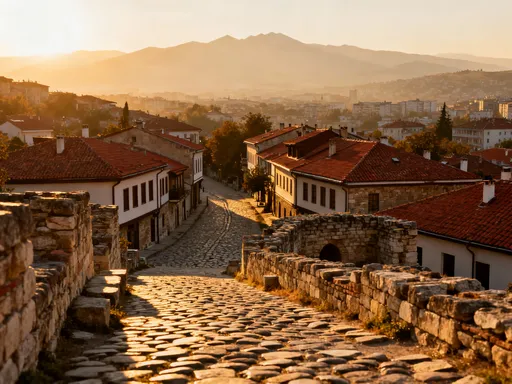
I went to Gwangju expecting just another Korean city, but what I found blew my mind. This place isn’t just about history—it’s alive with color, music, and soul. From underground galleries to street performances that stop you mid-step, Gwangju’s art and culture scene is unreal. If you're into authentic creative vibes off the tourist trail, this city will surprise you. Let me show you how to experience it like a local, not a checklist tourist.
Why Gwangju Is Korea’s Hidden Cultural Heartbeat
Gwangju is often mentioned in the context of modern Korean history, particularly its pivotal role in the 1980 democratic movement. Yet beyond its political significance, the city has quietly grown into one of South Korea’s most vibrant cultural centers. Unlike Seoul, where trends shift rapidly and commercial galleries dominate, Gwangju’s art scene feels rooted—personal, passionate, and deeply connected to community. Artists here aren’t chasing global fame; they’re expressing identity, memory, and hope through every brushstroke, note, and performance.
The city’s creative energy is no accident. Decades of civic engagement and grassroots activism have cultivated a population that values expression, dialogue, and resilience. These qualities naturally extend into the arts. Musicians compose songs that echo historical struggles and dreams for the future. Visual artists use public spaces to question, celebrate, and heal. Even small neighborhood theaters host plays that reflect everyday life with honesty and humor. This authenticity makes Gwangju’s cultural offerings feel more intimate and meaningful than those in larger, more polished cities.
What sets Gwangju apart is how openly it embraces independent creators. There’s no gatekeeping—just encouragement. Independent galleries thrive without corporate sponsorship. Street performers aren’t shooed away but welcomed as part of the city’s rhythm. Young artists graduate from local universities like Chosun University and Chonnam National University and stay, drawn by low living costs and a supportive network. The result is a self-sustaining ecosystem where creativity isn’t a luxury—it’s a way of life.
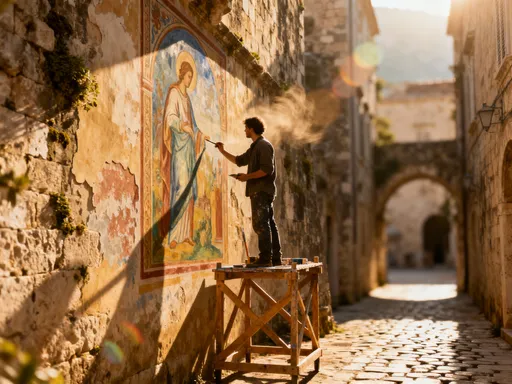
For visitors, this means encountering art that isn’t curated for mass appeal but born from real experience. It’s not unusual to see a mural depicting a grandmother holding sunflowers—a tribute to the May 18 Democratic Uprising—or hear a folk song sung in the Jeolla dialect at a riverside park. These moments aren’t staged for tourists; they’re part of the city’s daily breath. To walk through Gwangju is to witness how culture can grow organically when given space, respect, and time.
Start at the Asia Culture Center: Where Past Meets Future
No exploration of Gwangju’s artistic landscape is complete without a visit to the Asia Culture Center (ACC), a sprawling complex that stands as both a monument and a living laboratory of creativity. Opened in 2015, the ACC was built on the site of the former provincial hall—a location rich with historical resonance. Today, it serves as a bridge between Korea’s past and its cultural future, blending architecture, technology, and community engagement in a way few institutions manage.
The center’s design alone is worth admiration. Composed of five main buildings connected by glass walkways and open courtyards, the ACC blends modern minimalism with traditional Korean elements. The use of natural light, water features, and open-air plazas creates a serene atmosphere, inviting contemplation even before stepping inside. Each building has a distinct purpose: the Culture Exchange Building hosts international exhibitions; the Theater Building presents dance, music, and experimental performances; the Archive & Museum preserves historical documents and multimedia records related to Asian culture.
Visitors should prioritize the ACC’s permanent exhibition, “The Story of Asia Culture,” which traces the evolution of artistic expression across East, Southeast, and South Asia. Interactive displays allow guests to explore traditional music, puppetry, and film with touchscreens and audio stations. For those interested in Korea’s democratization history, the May 18 Archives offer a respectful and educational experience, combining survivor testimonies, photographs, and reconstructed spaces to honor the city’s legacy.
What makes the ACC truly special is its accessibility. Most exhibitions and performances are either free or low-cost, ensuring that art remains within reach of all. Weekly events like Creative Saturdays invite families and individuals to participate in hands-on workshops—from paper lantern making to digital animation. Evening concerts on the main plaza during summer months draw crowds of locals who bring blankets and picnic baskets, turning culture into shared celebration. To avoid feeling overwhelmed, plan your visit around a single theme or building, and allow time to simply wander. The ACC rewards slow, mindful exploration.
Walk the Streets of Geumnam-ro: The Pulse of Urban Expression
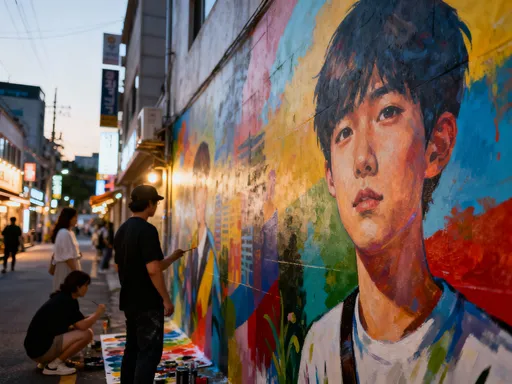
If the ACC represents Gwangju’s institutional cultural core, then Geumnam-ro is its beating street-level heart. This wide, tree-lined avenue runs through downtown and has transformed over the past decade into an open-air gallery of urban expression. Murals cover entire building facades, sculptures peek out from alley corners, and impromptu music performances erupt near crosswalks. Walking down Geumnam-ro feels less like strolling through a city and more like moving through a living art installation.
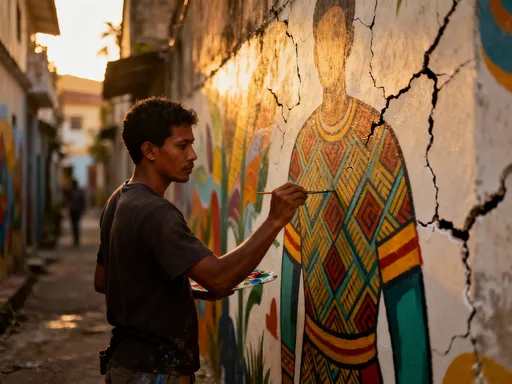
The transformation began in the early 2010s, when local artists, supported by city initiatives, began using public walls to reflect Gwangju’s identity. One iconic mural, “Sunflower Field,” stretches across three stories of an old department store, symbolizing resilience and hope. Another, near the intersection of Geumnam-ro 2-ga, depicts intertwined hands in various skin tones, celebrating diversity and unity. These works aren’t just decorative—they’re conversations in paint, inviting passersby to pause and reflect.
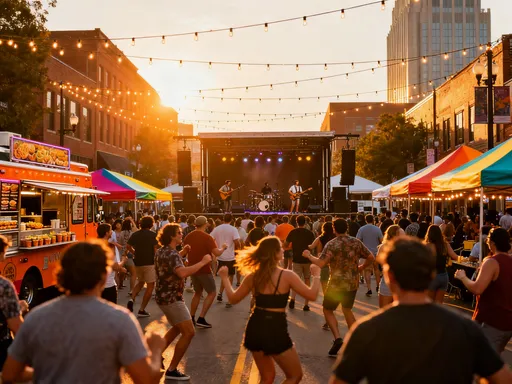
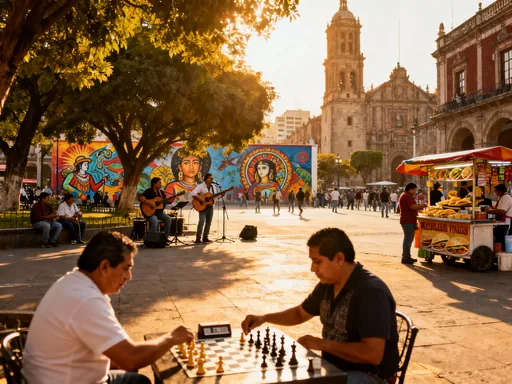
But the art here isn’t limited to static images. On weekends, especially during spring and fall, local music collectives set up small stages or simply play on sidewalks. You might encounter a jazz trio under a covered walkway, a traditional gayageum (12-string zither) performance in a plaza, or a youth hip-hop group freestyling near a café. These performances are unannounced and uncommercialized, emerging organically from the city’s creative pulse. Locals often stop to listen, clap, or even join in—creating moments of spontaneous community.
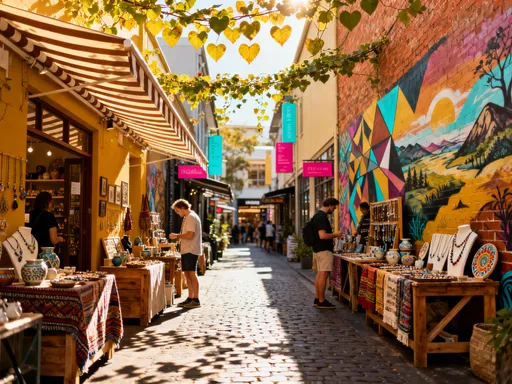
Alongside the art and music, Geumnam-ro hosts pop-up markets and craft fairs, particularly during cultural festivals. Vendors sell handmade jewelry, screen-printed tote bags, and illustrated postcards—many featuring motifs inspired by Gwangju’s history. Small independent shops double as creative spaces: a bookstore may host poetry readings, while a dessert café could display rotating artwork from local painters. The best time to experience this energy is Saturday afternoon, when the street buzzes with families, students, and artists. Come early to enjoy the quieter morning light, or return at dusk when the murals glow under soft streetlamps.
Discover Hidden Galleries and Artist Studios in Ugeum-dong
A short walk from the riverfront, Ugeum-dong has emerged as Gwangju’s newest cultural enclave. Nestled along the Yeongsan River, this once-overlooked neighborhood is now home to a growing number of artist studios, micro-galleries, and experimental workspaces. Unlike the polished galleries of Seoul’s Gangnam district, Ugeum-dong’s art spaces are raw, intimate, and unpretentious. Many are housed in renovated warehouses or old residential buildings, their doors open only during monthly art walks or by appointment.
The shift began around 2018, when rising rents in central Gwangju pushed young artists toward more affordable areas. Ugeum-dong, with its wide streets, river views, and quiet atmosphere, offered the perfect retreat. Artists began converting unused spaces into live-work studios, often collaborating across disciplines. A painter might share a building with a ceramicist and a sound artist, leading to unexpected collaborations and shared exhibitions. Today, the neighborhood hosts the Ugeum-dong Art Walk on the first Saturday of every month, when studios open to the public and visitors can meet creators in their natural habitat.
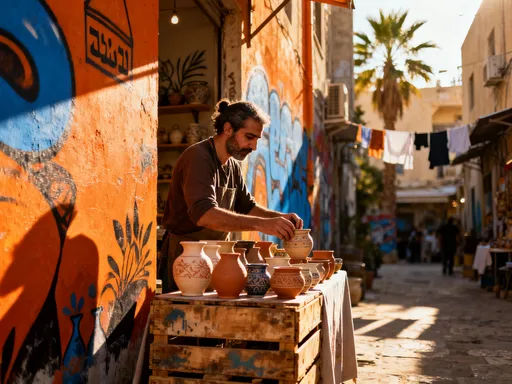
These informal gallery visits offer a rare glimpse into the artistic process. You might find an artist sanding a wooden sculpture, another mixing pigments at a cluttered table, or a group critiquing works-in-progress over green tea. Unlike formal museums, there’s no barrier between viewer and creator—just conversation. Many artists welcome questions and are happy to explain their inspiration, whether it’s a memory from childhood, a response to social issues, or a fascination with natural forms.
For those looking to take something home, Ugeum-dong offers unique handmade crafts that reflect the region’s spirit. Look for limited-edition prints, hand-thrown pottery, or textile art using traditional Korean dyes. Some studios partner with local farmers to create eco-friendly packaging or use recycled materials, emphasizing sustainability. When visiting, remember to be respectful—this is someone’s workspace. Speak softly, ask before taking photos, and support the artists by purchasing a small piece or donation-based zine. These gestures go a long way in sustaining the community.
Time Your Visit Right: Festivals That Define the City’s Rhythm
To truly understand Gwangju’s cultural rhythm, plan your trip around one of its major festivals. These events don’t just showcase art—they embody the city’s values of participation, inclusivity, and creative courage. The most renowned is the Gwangju Biennale, held every two years since 1995. Initially created as a tribute to the May 18 Democratic Uprising, it has grown into one of Asia’s most respected contemporary art exhibitions, attracting curators and artists from around the world.
But don’t be intimidated—despite its international reputation, the Biennale remains accessible. Exhibitions take place across multiple venues, including the ACC, old municipal buildings, and even vacant storefronts. Themes often explore social justice, environmental awareness, and human connection, making the art both visually striking and emotionally resonant. Audio guides and volunteer docents provide context in English, and many installations include interactive elements, such as participatory murals or digital response walls where visitors can leave messages.
Another highlight is the Sound Garden Festival, held annually in late spring at Mudeung Mountain and surrounding parks. This open-air music event blends traditional Korean instruments with electronic, jazz, and indie rock. Performances take place under trees, on riverbanks, and in bamboo groves, creating an immersive experience where nature and sound intertwine. Local food trucks serve regional specialties, and picnic blankets fill the grass—families, couples, and solo visitors alike swaying to the rhythm.
For a quieter but equally rich experience, consider visiting in early autumn, when summer crowds have thinned but cultural energy remains high. September and October often feature smaller gallery openings, poetry slams, and film screenings at independent cinemas. Winter brings cozy indoor events, such as candlelit concerts and craft markets. To access free or discounted entry, check the ACC’s website for community days or student-led events. Many festivals offer last-minute tickets through local tourism offices or partner cafés—simply ask around. Being flexible with timing allows you to experience Gwangju not as a spectator, but as a participant.
Eat Like You’re Part of the Culture—Not Just Passing Through
In Gwangju, food is not just sustenance—it’s an extension of artistry and regional pride. The city lies in the heart of Jeolla Province, long considered Korea’s culinary capital. Here, cooking is treated as a craft, passed down through generations with reverence for fresh, seasonal ingredients. Meals are bold, flavorful, and communal, reflecting the warmth and generosity of the local people.
A visit to Yangdong Market, one of the largest traditional markets in the region, offers a sensory immersion into this culture. More than just a place to shop, it’s a social hub where neighbors greet each other by name, elders haggle playfully over prices, and chefs source ingredients for their restaurants. Rows of stalls overflow with red peppers, wild greens, fermented pastes, and fresh seafood hauled in daily from the southern coast. The air carries the scent of grilled skewers, boiling soups, and sweet rice cakes.
One must-try dish is bindaetteok, a mung bean pancake crispy on the outside and tender within, often served with a spicy radish salad. Another specialty is hoe, thinly sliced raw fish or beef, presented like a painting on a platter with vibrant garnishes. These dishes aren’t just delicious—they tell stories of resourcefulness, celebration, and seasonal change. Eating them in a bustling market stall or a family-run restaurant connects you to centuries of tradition.
Cafés in Gwangju also reflect the city’s creative ethos. Many source beans from small Korean roasters, particularly from Jeju Island or the southern coast, and serve desserts made with local honey, chestnuts, or persimmons. Some, like those in the Ugeum-dong arts district, double as exhibition spaces, rotating artwork on the walls and hosting poetry readings. By choosing these independent spots over chains, you support both culinary and artistic communities. Sharing a meal or coffee becomes an act of cultural exchange—a quiet but meaningful way to belong, even if just for a day.
Getting Around and Staying Local: Practical Tips for a Deeper Experience
Navigating Gwangju is surprisingly easy, especially for those who prefer walking or public transit. The city is compact compared to Seoul or Busan, and most cultural sites are within a 30-minute walk of each other. The downtown core, including Geumnam-ro and the ACC, is fully pedestrian-friendly, with wide sidewalks, shaded benches, and clear signage in both Korean and English. For longer distances, the Gwangju Metro (a single line) and an extensive bus network provide reliable, affordable service.
To truly immerse yourself, consider where you stay. While hotels near the train station offer convenience, neighborhoods like Ugeum-dong or Chonnam National University area provide a more authentic experience. Guesthouses and boutique stays in these areas are often run by artists or cultural workers who welcome guests with local maps, festival recommendations, or even homemade breakfasts. Some offer shared kitchens or communal lounges, encouraging connection among travelers and locals alike.
When engaging with the culture, a few etiquette notes go a long way. In galleries or studios, observe quietly before approaching artists. A simple bow or smile conveys respect. If taking photos, always ask permission—especially of people or works not on public display. At performances or markets, it’s common to stay a while, observe, and then participate gradually. Buying a small item or sharing a kind word often opens doors to deeper conversations.
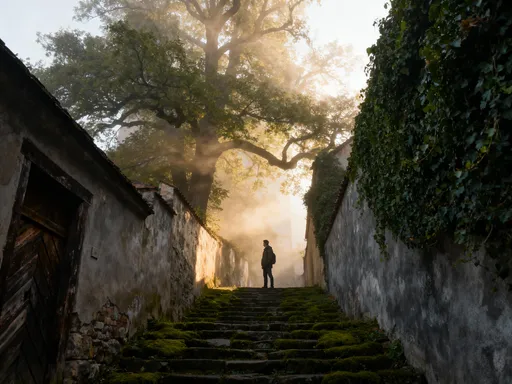
The most important tip, however, is to slow down. Gwangju doesn’t reveal itself in a day. Its beauty lies in quiet moments: a shared laugh over tea with a potter, the sudden hush when a street musician begins to play, the way sunlight hits a mural at golden hour. Let go of rigid itineraries. Talk to people. Sit in a park. Let the city whisper its stories. When you do, you won’t just see Gwangju’s art—you’ll feel it.
Gwangju doesn’t shout—it whispers through brushstrokes, melodies, and quiet moments in tucked-away spaces. It rewards those who look closer and stay longer. More than a destination, it’s an invitation to feel Korea’s creative soul. Go not to see everything, but to let something stay with you.