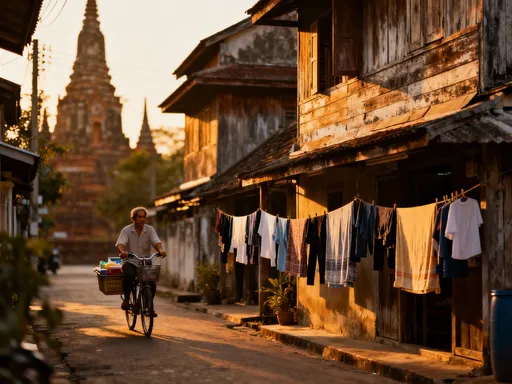
You Won’t Believe These Hidden Urban Corners in Ayutthaya
Ayutthaya isn’t just temples and ruins—there’s a living, breathing city beneath the tourist trail. I wandered off the map and found quiet alleyways, local markets, and riverside spaces where history blends with everyday life. This isn’t the Ayutthaya you see in guidebooks. It’s raw, real, and refreshingly untouched. If you're craving authentic urban moments beyond the crowds, let me show you a side most travelers never discover.
Beyond the Ruins: The Urban Pulse of Ayutthaya
Ayutthaya is best known as a UNESCO World Heritage Site, famed for its majestic temple ruins and ancient royal palaces that rise like stone sentinels from the flat Chao Phraya River plain. Yet beyond the well-trodden archaeological park lies a functioning Thai city where life unfolds in vibrant color, rhythm, and motion. While many visitors confine their experience to ticketed historical zones, the true essence of Ayutthaya reveals itself in the neighborhoods just outside the moat—where families gather for breakfast, schoolchildren pedal bicycles to class, and shopkeepers sweep their storefronts before the heat of the day sets in. This dual identity—historic treasure and modern provincial capital—creates a fascinating urban dynamic.
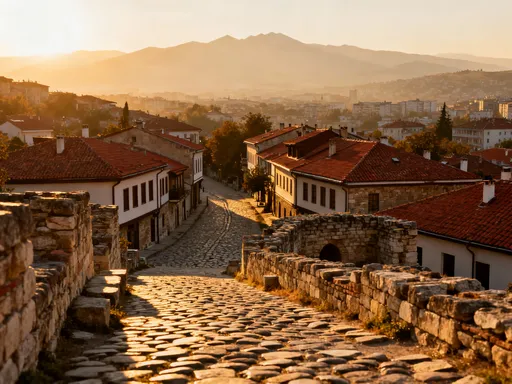
The contrast between the tourist-centric zones and the residential heart of Ayutthaya is striking. Near Wat Mahathat and Wat Phra Si Sanphet, the pace is measured, filled with camera-toting travelers and guided tours moving in orderly groups. But just a ten-minute walk away, motorbikes weave through side streets, vendors call out from roadside stalls, and the scent of frying garlic and grilled pork fills the air. Here, the city doesn’t perform for visitors—it simply lives. This coexistence of reverence and routine is one of Ayutthaya’s most compelling features. Ancient spires may dominate the skyline, but they share space with convenience stores, community temples, and family-run repair shops.
What makes Ayutthaya’s urban fabric so unique is how seamlessly the past and present coexist. Residents go about their daily lives within earshot of temple bells and the footsteps of tourists. Some homes stand just meters from centuries-old chedis, their backyards bordering centuries-old moats. Children play football near crumbling brick archways that once framed royal processions. The city doesn’t treat history as something sealed off behind ropes and ticket booths—it’s woven into the streets, the language, and the local identity. This continuity gives Ayutthaya a soul that many heritage destinations lose when tourism overtakes authenticity.
Hidden Alleyways and Street Life
One of the most rewarding ways to experience Ayutthaya’s authentic character is by stepping off the main roads and into its network of narrow alleyways. These unmarked lanes, often no wider than a single motorbike, snake between homes, small businesses, and quiet courtyards. They are rarely found on maps and seldom visited by tour groups, yet they offer a front-row seat to the city’s daily rhythm. Walking these paths feels like entering a different Ayutthaya—one without guidebooks, audio headsets, or souvenir shops.
Along these alleyways, life unfolds in intimate detail. A woman kneads dough in her open-air kitchen, steam rising from a wok behind her. A group of schoolchildren in crisp white and navy uniforms giggle as they pass on bicycles, their backpacks bouncing with every bump in the road. An elderly man sits on a low stool, mending sandals with practiced hands. The sounds are a quiet symphony: the hum of a distant motorbike, the clink of dishes, the murmur of conversation from an open window. There’s no performance here—only the unfiltered reality of urban Thai life.
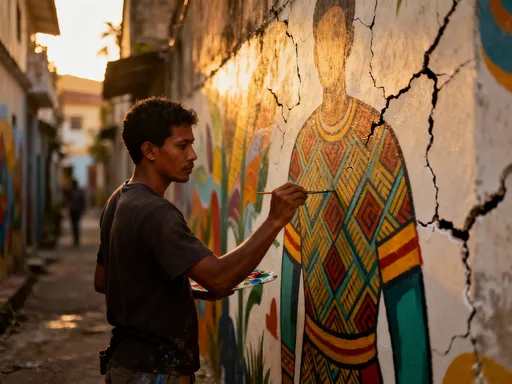
These side streets also reveal the practical architecture of a working city. Houses are built close together, often on stilts to protect against seasonal flooding. Laundry hangs from bamboo poles, fluttering like prayer flags in the breeze. Roosters strut through dirt yards, and potted plants line concrete steps. Unlike the grand symmetry of the temples, this part of Ayutthaya is asymmetrical, lived-in, and full of character. It’s a reminder that cities are not just monuments—they are made of people, routines, and small, meaningful details.
Exploring these alleyways requires no special itinerary—just curiosity and respect. Travelers should move quietly, avoid photographing people without permission, and remember they are guests in a residential area. But for those who take the time to wander, the rewards are profound. These hidden lanes don’t offer photo opportunities in the traditional sense; instead, they offer connection—the kind that comes from witnessing life as it truly is.
Riverside Realness: Life Along the Chao Phraya
The Chao Phraya River is the lifeblood of Ayutthaya, shaping its history, economy, and daily rhythm. While most tourists experience the river from tour boats that glide past temple facades, the true story of the river unfolds on its less-visited banks. Away from the docking points and souvenir vendors, long stretches of the shoreline remain quiet, inhabited by families, fishermen, and riverside communities whose lives are deeply tied to the water.
In the early morning, the riverbanks come alive with gentle activity. Fishermen cast their nets with practiced ease, their long-tail boats bobbing gently in the current. Some use traditional bamboo traps, while others check lines stretched between wooden stakes driven into the riverbed. Children splash in shallow areas, supervised by grandparents sitting under makeshift shade. Laundry flutters on lines strung between trees, and small wooden houses on stilts stand just above the waterline, their foundations protected by layers of mangrove roots and stone.
These riverside spaces offer a different kind of beauty—one defined not by grandeur but by resilience and routine. The water here is not a backdrop; it’s a resource. Families draw from it for washing and irrigation. Vendors sell fresh lotus stems and riverweed harvested from the shallows. At dusk, couples stroll along the embankments, and elderly residents practice tai chi in the cooling air. The river provides not just sustenance but peace—a natural boundary that softens the edges of urban life.
One of the most touching aspects of Ayutthaya’s riverside culture is how little it has been altered for tourism. There are no boardwalks, no luxury restaurants, and no curated experiences. What exists is organic: a man repairing his fishing net under a tarp, a woman boiling river snails for dinner, a dog napping in the shade of a wooden pier. These moments are fleeting, unposed, and deeply human. For travelers willing to step away from the main piers, the river offers a rare glimpse into a way of life that time has not erased.
Local Markets That Tourists Miss
While Ayutthaya’s night bazaar near the train station draws visitors with its rows of trinkets and street food, the city’s true culinary and cultural heartbeat lies in its local markets—places where residents shop, eat, and socialize without the influence of tourism. These markets operate on a different schedule and rhythm, opening early in the morning or in the late afternoon, when the day’s heat begins to fade. They are not designed for foreigners, and that’s exactly what makes them special.
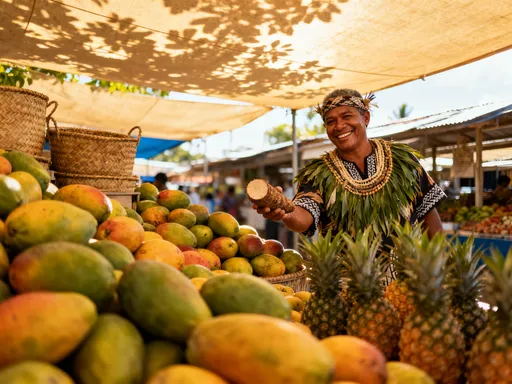
The morning market near Wat Phanan Choeng is a prime example. Long before tour buses arrive, the area buzzes with activity. Vendors arrange pyramids of ripe mangoes, coconuts, and dragon fruit on woven mats. Stalls offer steaming bowls of jok (rice porridge), freshly fried youtiao (Chinese-style dough sticks), and grilled pork skewers marinated in soy and coriander. The air is thick with the scent of lemongrass, chili, and toasted rice. Locals chat as they shop, bargaining lightly and exchanging news. A grandmother hands her grandson a warm custard-filled pastry wrapped in banana leaf—a small, sweet start to the day.
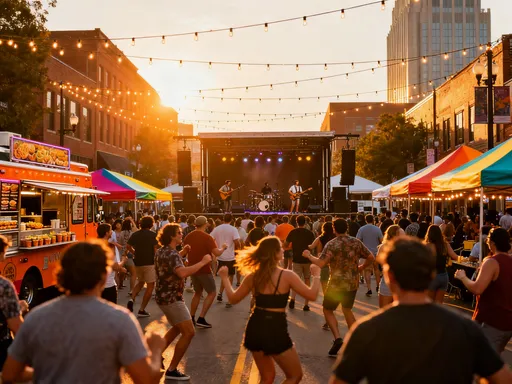
In the evening, smaller neighborhood markets spring up in residential zones. These are not the polished food courts seen in Bangkok but grassroots gatherings of home cooks and small-scale entrepreneurs. One stall might specialize in boat noodles, simmered for hours with star anise and cinnamon. Another offers som tam (papaya salad) pounded fresh to order, with spice levels adjusted to the customer’s tolerance. A woman fries banana pancakes on a portable stove, her hands moving quickly despite the heat. These foods are not adapted for foreign palates—they are boldly flavored, aromatic, and deeply satisfying.
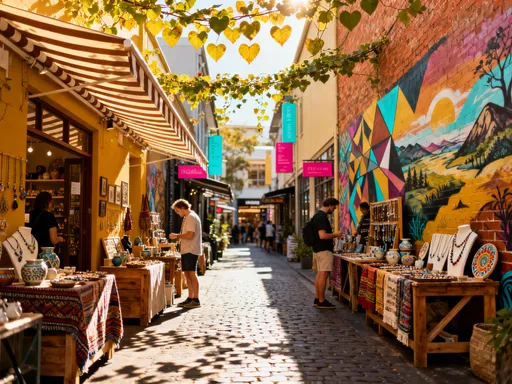
What makes these markets so powerful is their sensory richness. The colors are vivid: red chilies strung in garlands, golden fried snacks glistening under heat lamps, green herbs piled high in baskets. The sounds are a mix of sizzling woks, clattering plates, and cheerful banter. The experience is immersive, unscripted, and deeply nourishing—not just for the body but for the spirit. For travelers, visiting these markets is a way to participate in Ayutthaya’s daily life, even if only for a meal.
Urban Green Spaces and Unexpected Oases
In a city often associated with stone ruins and river views, Ayutthaya’s green spaces are an underrated treasure. These small parks, temple courtyards, and shaded pathways offer quiet retreats from the heat and bustle, serving as vital breathing rooms for both residents and thoughtful travelers. Unlike manicured city parks in larger metropolises, Ayutthaya’s green areas are modest, functional, and deeply integrated into the urban fabric.
One of the most peaceful spots is the open courtyard of Wat Kaeo Fa, a lesser-known temple on the eastern edge of the island. Here, ancient trees provide dense shade, their roots weaving through stone foundations like living sculptures. Elderly residents sit on concrete benches, fanning themselves and chatting in low voices. Children chase each other between columns, their laughter echoing softly. Monks walk silently through the compound, their saffron robes glowing in the dappled sunlight. There’s no admission fee, no guided tour—just space to rest, reflect, and be.
Other green pockets include small public parks along the city’s canals, where families gather in the late afternoon. Some have simple playgrounds, others just grassy areas under banyan trees. These spaces are not designed for spectacle but for use. Teenagers study for exams on picnic mats. Couples share quiet conversations. Dogs nap in the shade. The city’s urban planners may not have prioritized large parks, but these scattered green zones fulfill a crucial role in community well-being.
Even the ruins themselves serve as informal green spaces. The expansive grounds of the Historical Park are not just archaeological sites but places where locals jog, walk dogs, and fly kites on weekends. The blend of nature and history creates a unique atmosphere—crumbling temples embraced by creeping vines, stone Buddhas shaded by frangipani trees. These spaces remind us that cities need more than monuments; they need places where people can simply be.
Cycling Through the Unseen City
Of all the ways to explore Ayutthaya, cycling is by far the most rewarding for discovering its hidden urban corners. The city is relatively flat, with a network of small roads and pathways that connect neighborhoods, markets, and riverside areas. A bicycle allows travelers to move at a human pace, noticing details that would blur from a tuk-tuk or van. It offers freedom, flexibility, and a deeper connection to the environment.
Rentals are widely available near the train station and main tourist areas, with sturdy mountain bikes and comfortable cruisers at affordable prices. Most travelers stick to the Historical Park circuit, but venturing beyond reveals a richer experience. Quiet backroads lead to residential zones where life unfolds without pretense. You might pass a woman watering her flowers, a group of men playing chess under a tree, or a monk collecting alms in the early morning light. Each turn offers a new vignette of urban life.
For a more immersive route, try cycling from the city center toward the northern outskirts, where farmland meets neighborhood streets. The path follows a canal lined with lotus plants, then winds past small temples and family-run noodle shops. Stop to buy a coconut from a roadside vendor, sip the cool water under a thatched umbrella, and watch the world go by. These moments—simple, unplanned, and unhurried—are the soul of travel.
When cycling through residential areas, it’s important to be respectful. Move slowly, yield to pedestrians and motorbikes, and avoid loud noises. A smile and a polite ‘hello’ go a long way. Remember, you are passing through someone’s home, not a museum. By traveling slowly and thoughtfully, you honor the city’s rhythm and open the door to genuine connection.
Preserving Authenticity in a Tourist-Focused Town
As Ayutthaya continues to attract visitors drawn by its historical significance, the challenge of preserving its authentic urban character grows more pressing. While tourism brings economic benefits, it also risks turning the city into a performance—where real life is pushed to the margins in favor of curated experiences. The key to sustainable travel lies in balance: honoring the past without erasing the present, supporting local economies without disrupting daily rhythms.
Travelers have a role to play in this balance. Choosing to eat at family-run stalls instead of tourist-only restaurants, shopping at local markets, and exploring neighborhoods on foot or by bike all contribute to a more equitable tourism model. Equally important is the attitude with which we explore. Approaching Ayutthaya not as a checklist of ruins but as a living city fosters deeper respect and understanding. It shifts the focus from consumption to connection.
Local initiatives are also helping to protect Ayutthaya’s urban authenticity. Community-led tours, heritage preservation projects, and small-scale homestays allow residents to share their culture on their own terms. These efforts ensure that tourism enriches rather than overwhelms. As visitors, supporting such initiatives—by choosing responsible guides, respecting private spaces, and minimizing waste—we become allies in preservation.
The goal is not to hide Ayutthaya’s living heart from travelers, but to invite them in with care. Authenticity cannot be staged—it must be protected. When we honor the city’s everyday life, we don’t just see Ayutthaya; we feel it.
Ayutthaya’s true charm lies not in its postcard ruins, but in the quiet streets, shared smiles, and unscripted moments between landmarks. By stepping into its urban spaces, travelers gain more than views—they connect with a living culture. Let’s move beyond checklists and start experiencing cities like locals do.