Taste of Moscow: A Food Lover’s Journey Through the City’s Soul
Ever wondered how food can reveal the heart of a city? In Moscow, every bite tells a story — from steaming pelmeni in a tucked-away café to golden blinis topped with caviar at a bustling market. I wandered through backstreets and food halls, tasting tradition and innovation side by side. What I found wasn’t just flavor — it was history, pride, and warmth on a plate. Moscow’s cuisine is not merely sustenance; it is memory served hot, identity shaped by centuries of change, and hospitality offered without words. To eat here is to understand the rhythm of Russian life — resilient, rich, and deeply communal.
The Flavor of a Capital
Moscow’s food culture is a living archive of its past and a bold expression of its present. More than a collection of dishes, it reflects the city’s layered identity — shaped by imperial grandeur, Soviet pragmatism, and a modern embrace of global influences. Dining in Moscow is not a passive act; it is participation in a centuries-old tradition of gathering, sharing, and preserving. Meals unfold slowly, often beginning with a toast, continuing through multiple courses, and ending with tea and conversation that can last for hours. This is a city where food is both comfort and celebration, where grandmothers still hand-roll dumplings in apartment kitchens and chefs in sleek downtown restaurants reinvent those same recipes with molecular precision.
What makes Moscow’s culinary landscape unique is its duality. On one hand, there is reverence for tradition — recipes passed down through generations, unchanged except by necessity. On the other, there is a vibrant movement of innovation, where young chefs experiment with fermentation, foraging, and fusion techniques. Yet even in the most modern settings, the spirit of Russian hospitality remains central. A meal is never rushed. Guests are welcomed not just as customers, but as honored visitors. This cultural depth transforms eating from a daily routine into an experience of connection — to history, to place, and to people.
For travelers, engaging with Moscow’s food scene offers one of the most authentic ways to understand the city. Unlike museums or monuments, kitchens and markets reveal the unfiltered rhythms of daily life. They show how Russians adapt to change while holding fast to what matters — family, flavor, and resilience. Whether you’re sipping borscht in a Soviet-era canteen or sampling fermented beetroot in a minimalist wine bar, you’re not just tasting ingredients. You’re tasting the soul of a city that has endured, evolved, and continues to nourish its people with pride.
Street Food Secrets: Where Locals Eat on the Go
Moscow’s street food culture is a testament to the city’s energy and practicality. For Muscovites, meals on the move are not a luxury but a necessity, shaped by long commutes, brisk winters, and a love for hearty, satisfying flavors. The city’s underground passages, park entrances, and transport hubs are lined with small vendors offering quick, affordable bites that pack both nutrition and nostalgia. These are not flashy food trucks or gourmet pop-ups, but modest stalls where tradition meets convenience, and where the simplest foods often carry the deepest emotional resonance.
One of the most beloved street foods is the pirozhok — a small, baked or fried pastry filled with mashed potatoes, cabbage, minced meat, or even sweet cherries. Found in subway arcades and near tram stops, these golden pockets of comfort are often wrapped in paper and eaten standing up, one hand shielding against the cold. They are inexpensive, filling, and universally loved — a true symbol of everyday Russian life. Equally common are sushki, ring-shaped bread snacks that are dry and crunchy, traditionally dipped in tea. Sold in bundles at metro kiosks, they are a favorite among older generations and office workers alike, evoking memories of childhood and simpler times.
Seasonal markets also play a vital role in Moscow’s street food ecosystem. At VDNKh, one of the city’s largest exhibition grounds, open-air food stalls appear in spring and summer, offering everything from grilled shashlik to homemade syrniki — fried cottage cheese pancakes served with jam. These markets are not tourist traps; they attract local families, couples on weekend outings, and elderly couples buying preserves from rural producers. The atmosphere is lively but unpretentious, with the scent of charcoal, fresh herbs, and honey filling the air. Vendors proudly display their regional specialties — smoked fish from Lake Baikal, wild mushrooms from Siberia, and berries picked from northern forests — turning each purchase into a small journey across Russia’s vast geography.
What sets Moscow’s street food apart is its authenticity. Unlike in cities where street cuisine is curated for tourists, here the offerings remain deeply rooted in local habits. There are no fusion tacos or kimchi burgers — at least not in the mainstream street scene. Instead, you’ll find foods that have sustained Muscovites for generations: warm, savory, and made with care. For visitors, embracing these simple meals is a way to eat like a local, to step outside the polished restaurant world and into the rhythm of daily life. It’s in these small, unassuming moments — biting into a hot pirozhok on a winter morning or sipping warm kvass from a paper cup — that the true flavor of Moscow reveals itself.
Traditional Eateries: Dining Like a True Muscovite
To understand Moscow’s culinary soul, one must step into a stolovaya — the Soviet-era canteen that remains a cornerstone of the city’s food culture. These communal dining halls, once ubiquitous across the USSR, were designed to feed the masses efficiently and affordably. Today, while many have closed, a handful remain, preserving not just recipes but a way of life. Stolovaya No. 57, located beneath the GUM department store, is one of the most famous survivors. With its retro tiles, glass display counters, and orderly queue system, it feels like a time capsule — yet it is far from a museum piece. Every lunch hour, it fills with office workers, pensioners, and curious tourists, all lining up for hearty, home-style meals served with no frills but abundant care.
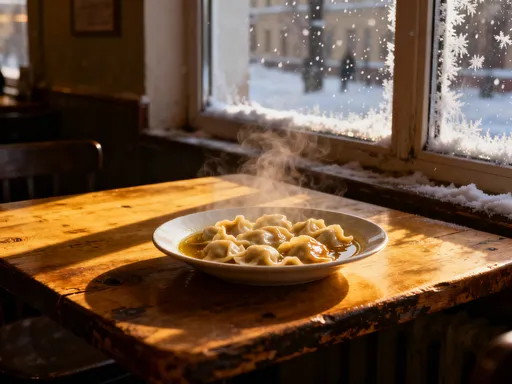
The menu at a traditional stolovaya is a celebration of Russian comfort food. Borscht, the iconic beet soup, arrives steaming in wide bowls, its deep red broth swirling with shredded cabbage, carrots, and a dollop of sour cream. Olivier salad — a mayonnaise-laden mix of potatoes, peas, eggs, and bologna — may not sound appealing to some, but it is a staple of holiday tables and everyday meals alike. Beef stroganoff, tender strips of meat in a creamy sauce, is served over mashed potatoes or buckwheat, offering warmth on even the coldest days. And pelmeni — Siberian-style dumplings filled with minced meat — come boiled or fried, drenched in butter or vinegar, depending on personal preference. These dishes are not gourmet creations; they are food meant to nourish, to satisfy, to remind diners of home.
The experience of dining in a stolovaya is as important as the food itself. There is no table service; instead, patrons move along a counter, selecting dishes from glass cases and piling their trays high. Prices are low, portions are generous, and the atmosphere is egalitarian. Everyone eats the same food, from the businessman in a suit to the grandmother in a headscarf. This sense of shared experience is central to the stolovaya’s enduring appeal. It is a place where social barriers dissolve, where the focus is not on presentation or status, but on sustenance and community.
Beyond stolovayas, Moscow is home to numerous family-run cafés that preserve regional recipes and home cooking traditions. These unassuming spots, often tucked into residential neighborhoods, serve dishes that vary by season and family heritage. In autumn, you might find pickled mushrooms and cranberry compote; in winter, hearty meat pies and barley soup. These eateries rarely advertise, relying instead on word of mouth and regular customers. For visitors willing to explore beyond the city center, they offer a rare glimpse into the private kitchens of Russian homes — places where food is still made by hand, with love, and without compromise.
Market Explorations: Gastronomic Adventures at Danilovsky and Beyond
If stolovayas represent the structured side of Moscow’s food culture, its markets embody its spontaneity and diversity. Among them, Danilovsky Market stands out as a culinary landmark — a converted 19th-century depot transformed into a vibrant food hall that blends tradition, innovation, and community. Unlike sterile supermarkets or curated food courts, Danilovsky feels alive — a place where the senses are constantly engaged. The air hums with conversation, sizzles with grilling meat, and carries the tang of fermented vegetables, fresh herbs, and smoked fish. Vendors call out their specialties, musicians play in corners, and families linger over coffee and pastries, turning shopping into a social event.
The market is divided into sections, each offering a different facet of Russian and international cuisine. One aisle is dedicated to dairy, where women in white aprons sell homemade tvorog (farmer’s cheese), smetana (sour cream), and kefir, all sourced from small farms outside the city. Nearby, a fishmonger displays rows of salmon, sturgeon, and herring, some salted, some smoked, some pickled in vinegar and dill. The produce stands burst with color — deep purple eggplants, golden beets, bushels of dill, and jars of wild mushrooms preserved in oil. Honey sellers offer dozens of varieties, from light acacia to dark buckwheat, each with its own story of origin and harvest.
What makes Danilovsky special is its balance between authenticity and modernity. Alongside traditional Russian vendors, you’ll find stalls offering Georgian khachapuri, Uzbek plov, Korean kimchi, and Italian cured meats. This reflects Moscow’s growing cosmopolitanism, where global flavors are not replacing local tastes but enriching them. Yet even in this diverse setting, Russian staples remain central. Blini makers pour batter onto hot griddles, folding the delicate pancakes around fillings of caviar, mushrooms, or condensed milk. A grandmotherly figure sells hand-rolled vareniki, her fingers moving with practiced ease, while a young couple runs a craft beer bar using locally brewed lagers and seasonal ales.
Danilovsky is not the only market worth visiting. Izmailovsky Market, known for its colorful crafts and souvenirs, also features food stalls serving traditional snacks like shashlik and medovukha (a honey-based fermented drink). At Sadovod, one of Europe’s largest wholesale markets, locals shop for fresh produce, spices, and imported goods at bargain prices. These markets are not just places to buy food; they are spaces of cultural exchange, where farmers, artisans, and immigrants share their heritage through what they grow, make, and sell. For travelers, wandering through these markets is an education in Russian life — one that engages the palate, the eyes, and the heart.
Modern Moscow: Fusion, Fine Dining, and Culinary Innovation
While tradition remains strong, Moscow’s food scene is no longer defined by the past. In recent years, a new generation of chefs has emerged, reimagining Russian cuisine with global techniques and contemporary sensibilities. This culinary renaissance is most visible in neighborhoods like Patriarch’s Ponds, Zamoskvorechye, and the Presnya district, where sleek restaurants, wine bars, and experimental kitchens have transformed quiet streets into gastronomic destinations. These spaces are not rejecting tradition — they are reinterpreting it, using local ingredients in unexpected ways and presenting them with modern elegance.
One hallmark of this movement is the focus on hyper-local sourcing. Chefs are turning to regional producers, foraging for wild herbs in the countryside, and reviving nearly forgotten ingredients like kvas (fermented rye bread drink), sea buckthorn, and tatarin — a type of wild garlic. Dishes that were once considered peasant food are being elevated: nettle soup is served with crème fraîche and edible flowers; fermented cabbage becomes a refined side dish; and smoked fish is paired with beetroot foam and dill oil. The result is a cuisine that honors its roots while embracing innovation, offering diners both familiarity and surprise.
Wine culture has also evolved dramatically. Once dominated by sweet domestic wines and vodka, Moscow now boasts a growing number of natural wine bars and sommelier-led tasting rooms. These venues emphasize organic production, small-batch winemaking, and food pairings that highlight Russian dishes in new ways. A glass of dry Georgian amber wine might accompany a plate of pickled vegetables, or a crisp Crimean white could be served with grilled river fish. This shift reflects a broader change in dining attitudes — a move toward slower, more intentional eating, where quality and provenance matter as much as flavor.
While specific restaurant names may change with time, the trend is clear: Moscow is becoming a city where culinary ambition meets cultural pride. Menus are shorter, ingredients are seasonal, and presentation is thoughtful. Yet even in the most modern settings, the spirit of Russian hospitality endures. Service is warm, pacing is relaxed, and meals unfold like conversations — unhurried, meaningful, and deeply satisfying. For travelers, these restaurants offer a bridge between old and new, allowing them to experience Russian cuisine not as a relic, but as a living, evolving art form.
Practical Tips: Navigating Food Culture as a Traveler
For visitors, engaging with Moscow’s food culture can be both rewarding and, at times, challenging. The Cyrillic alphabet may make menus difficult to read, and unfamiliar ingredients can be intimidating. Yet with a few simple strategies, even first-time travelers can navigate the city’s culinary landscape with confidence and curiosity. The key is to approach food not just as fuel, but as a form of cultural exchange — an opportunity to learn, connect, and savor.
One of the most helpful tools is a translation app. Many menus, especially in traditional eateries and markets, are not available in English. A quick scan with a smartphone camera can reveal what’s on offer — whether it’s kholodets (jellied meat) or syrniki (cottage cheese pancakes). When in doubt, don’t hesitate to point or ask for recommendations. Russians are often proud of their cuisine and happy to explain their favorites, especially when they see genuine interest. Learning a few basic food-related phrases — such as “Spasibo” (thank you) or “Chto vy predayotye?” (What do you recommend?) — can go a long way in building rapport.
Tipping is customary in restaurants, typically around 10 percent, though it is not always expected in casual settings like stolovayas or street stalls. Most places accept credit cards, but it’s wise to carry some cash, especially in markets or smaller shops. ATMs are widely available, but it’s best to use those inside banks for security. When it comes to food safety, Moscow’s standards are high, and tap water is generally safe to drink, though many prefer bottled water. Street food from licensed vendors is also safe and widely consumed by locals.
Seasonality plays a big role in what’s available. In summer, markets overflow with fresh strawberries, currants, and dacha-grown vegetables — produce grown in family garden plots outside the city. Winter brings preserved foods: pickles, jams, and salted fish, as well as warming drinks like sbiten (a spiced honey beverage) and hot cranberry mors. Being aware of these cycles allows travelers to time their visits for peak flavors. Additionally, visiting food halls like Danilovsky or VDNKh on weekends offers the fullest experience, when all stalls are open and the atmosphere is most vibrant.
Finally, embrace the pace. Russian meals are not meant to be rushed. It’s common to linger over tea after dinner, to accept a second helping, or to engage in conversation with strangers at a shared table. This is not inefficiency — it is hospitality. By slowing down and savoring each moment, visitors do more than enjoy good food. They become part of a tradition that values connection, generosity, and the simple joy of sharing a meal.
A Table Open to the World
Moscow’s food culture is not static; it is a dynamic conversation between past and present, local and global, tradition and innovation. To eat in this city is to participate in that dialogue — to taste the resilience of a people who have preserved their culinary heritage through decades of change, and who now welcome the world to their table. Every dish, from a humble pirozhok to a meticulously plated tasting menu, carries meaning. It speaks of family, of history, of pride in craftsmanship and community.
For the traveler, this is more than a culinary journey. It is an invitation to connect — to sit beside locals in a bustling market, to smile at a server in a Soviet canteen, to raise a glass of homemade kvass with newfound friends. In these moments, food becomes a bridge, dissolving language barriers and cultural differences. It reminds us that despite our varied backgrounds, we all gather around the table for the same reasons: to nourish, to celebrate, to belong.
As Moscow continues to evolve, its food remains a constant — a source of comfort, identity, and joy. Whether you’re exploring a historic stolovaya, browsing a vibrant market, or savoring modern reinterpretations of classic dishes, you are not just tasting flavors. You are experiencing the soul of a city that opens its heart, one plate at a time. So come with an open mind, an empty stomach, and a willingness to linger. In Moscow, the best meals are not measured in courses, but in moments of connection that stay with you long after the last bite.