You Won’t Believe These Hidden Public Spaces in Mexico City
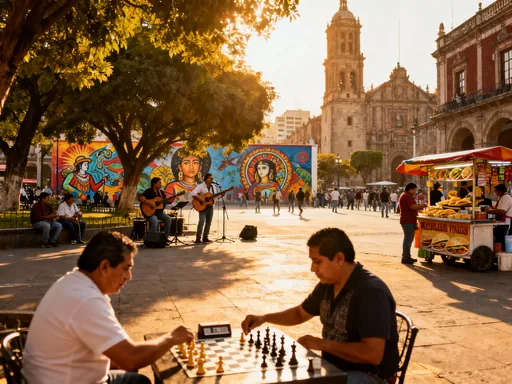
Mexico City’s public spaces are more than just parks and plazas—they’re living, breathing parts of daily life. I never expected to find such vibrant street art, buzzing markets, and peaceful gardens in the middle of a massive metropolis. From locals playing chess in shaded squares to impromptu dance performances on tree-lined avenues, the city’s soul lives outdoors. These shared spaces connect people, culture, and history in the most authentic way. Whether tucked between colonial buildings or rising above underground transit hubs, these urban oases offer moments of joy, reflection, and community. This is not a city that keeps life indoors; it spills joyfully onto the streets, where everyone is invited to participate.
The Pulse of the City: Understanding Public Space in Mexico City
Mexico City, home to over 21 million people in its metropolitan area, is one of the most densely populated urban centers on Earth. Yet amid the skyscrapers, traffic, and constant motion, public spaces serve as vital lungs for the city. These areas are far more than decorative additions—they are functional, democratic zones where people from all walks of life converge. Unlike private clubs or commercial malls, public plazas and parks belong to everyone. They are venues for protest, celebration, rest, and routine. The Zócalo, officially known as the Plaza de la Constitución, is perhaps the most iconic example. As one of the largest city squares in Latin America, it has hosted everything from Aztec ceremonies to modern-day political rallies and cultural festivals. Its vast open space allows for massive gatherings, yet it also offers quiet corners where couples sip coffee or students read under the shade of ancient trees.
Similarly, Alameda Central, designed in the 16th century and inspired by European promenades, remains a cornerstone of civic life. Lined with sculptures, fountains, and shaded benches, it invites leisurely strolls and family picnics. What makes these spaces truly special is their accessibility. No tickets are required, no dress codes enforced. A grandmother feeding pigeons, a street vendor selling handcrafts, a group of teenagers taking selfies—all coexist in this shared environment. This inclusivity is intentional. Urban planners and city officials recognize that well-maintained public areas strengthen social cohesion, especially in a city marked by economic disparity. When people gather in the same space, differences begin to blur, if only for a moment.
The design of these areas also reflects Mexico’s layered history. The Zócalo sits atop the ruins of Tenochtitlán, the capital of the Aztec Empire, while Alameda Central was once part of a vast lake system. Today’s public spaces are built upon centuries of cultural transformation, making them not just physical locations but living archives. They are where history is remembered, debated, and reinterpreted. In recent years, the city government has invested in revitalizing neglected plazas in neighborhoods like Tlatelolco and Iztapalapa, ensuring that even residents in less affluent areas have access to safe, attractive communal spaces. These efforts underscore a growing understanding: public spaces are not luxuries—they are essential infrastructure for a healthy, democratic society.
From Chaos to Calm: Contrasting Urban Landscapes
Mexico City is often described as overwhelming—its streets packed with buses, taxis, and motorbikes, its air thick with noise and energy. But within this urban intensity lie surprising pockets of peace. Hidden in tree-lined neighborhoods and tucked behind historic buildings, small parks and gardens offer residents a chance to pause and breathe. Parque Lincoln, located in the upscale neighborhood of Polanco, is one such sanctuary. Surrounded by high-end boutiques and embassies, the park feels like a European garden transplanted into the heart of the city. Wide gravel paths wind through manicured lawns, dotted with sculptures and shaded by towering jacaranda trees. On any given morning, you’ll find joggers, dog walkers, and parents pushing strollers—all moving at a noticeably slower pace than the city just beyond the park’s edge.
Another quiet retreat is Jardín Ramón López Velarde in the Condesa district. Smaller and more intimate, this garden square is beloved by locals for its old-world charm. Stone pathways, wrought-iron benches, and a central kiosk that once hosted live music create a nostalgic atmosphere. On weekends, families gather with blankets and picnic baskets, while children play near the fountain. Unlike grand plazas designed for mass gatherings, spaces like this thrive on intimacy. They are not meant for spectacle but for everyday moments—reading a book, sharing a laugh, or simply watching the world go by. These micro-parks demonstrate how thoughtful urban design can transform even the smallest plots of land into meaningful social spaces.
The contrast between chaos and calm is not accidental. It is the result of deliberate planning and community advocacy. In recent decades, Mexico City has prioritized green space development, recognizing its impact on mental health, air quality, and overall well-being. The city now boasts over 1,300 parks and gardens, with initiatives to increase tree canopy coverage and reduce urban heat. Even in densely built areas, vertical gardens and rooftop terraces are being integrated into public buildings. These efforts reflect a broader shift in how cities are understood—not just as centers of commerce and transit, but as ecosystems that must support human flourishing. For residents, these green respites are not just pleasant; they are necessary. In a city that never stops moving, having a place to slow down is a form of resistance, a quiet act of self-care.
Markets as Living Public Spaces
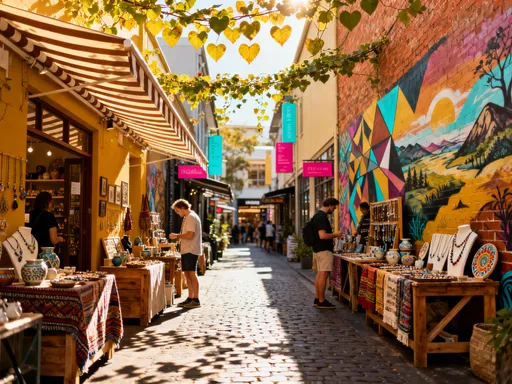
When most people think of public spaces, they picture parks or plazas. But in Mexico City, some of the most vibrant communal areas are found inside markets. These are not sterile supermarkets or shopping malls—they are lively, sensory-rich environments where commerce, culture, and community intersect. Mercado de Coyoacán, housed in a colorful tile-roofed building, is a prime example. As soon as you step inside, the air fills with the scent of roasted corn, fresh herbs, and sizzling meat. Vendors call out their prices, children dart between stalls, and elderly couples haggle over the price of handmade tortillas. It’s a full-body experience, one that engages all the senses and invites participation.
What sets these markets apart is their role as social hubs. For regular customers, shopping here is not just about buying food—it’s about maintaining relationships. A woman might visit the same fruit stand every Tuesday, exchanging news with the vendor while selecting mangoes. A man might stop by the flower stall to pick up a bouquet for his mother, chatting with the seller about the weather. These interactions, small as they seem, build trust and continuity in a fast-changing city. Unlike impersonal chain stores, traditional markets foster a sense of belonging. They are places where people are recognized, remembered, and valued.
Mercado Roma, located in the trendy Roma Norte neighborhood, offers a more modern twist on this tradition. Housed in a converted industrial building, it blends gourmet food stalls with design shops and craft breweries. Young professionals, families, and tourists mingle here, sampling artisanal cheeses, cold-pressed juices, and fusion tacos. Live music often plays in the courtyard, and seating areas encourage lingering. While more upscale than traditional markets, Mercado Roma retains the spirit of conviviality. It proves that even in a rapidly modernizing city, the need for shared, human-centered spaces remains strong. These markets are not just places to eat—they are stages for everyday life, where culture is lived rather than observed.
Street Art and Activism in Open Areas
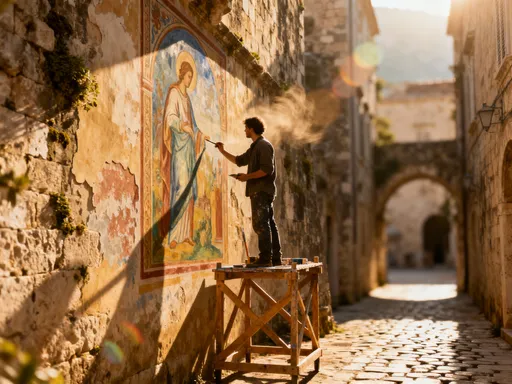
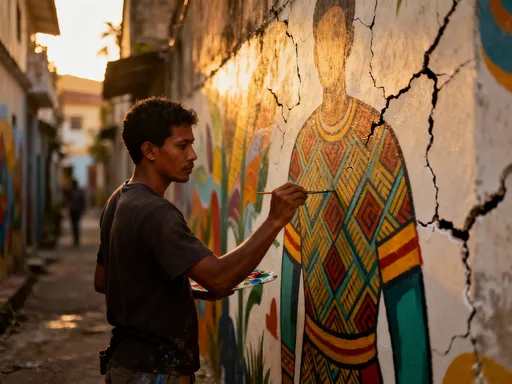
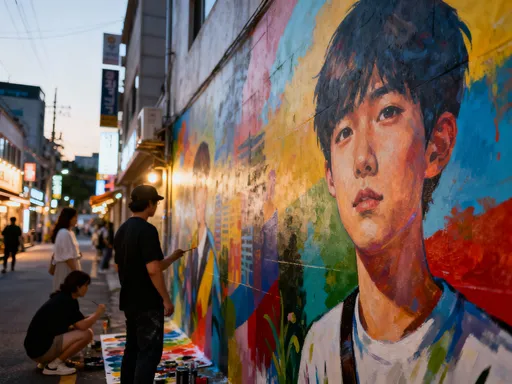
In neighborhoods like Roma, Doctores, and Xochimilco, the walls tell stories. Once blank or covered in graffiti, many public surfaces have been transformed into large-scale murals that reflect the city’s soul. Street art in Mexico City is not merely decorative—it is a form of public dialogue. Artists use these open canvases to comment on social justice, environmental issues, indigenous rights, and national identity. A mural might depict a Nahua elder surrounded by native plants, or a powerful woman rising from the ashes of violence. These images do more than beautify; they educate, provoke, and inspire.
The government has increasingly supported this movement, commissioning murals as part of urban renewal projects. In Doctores, a historically underserved neighborhood, vibrant artwork now covers entire building facades, turning once-neglected streets into open-air galleries. Walking tours led by local guides help visitors understand the symbolism behind the art, connecting visual beauty with deeper historical and political context. For residents, these murals are a source of pride—a way of reclaiming space and asserting cultural presence in areas long overlooked by city planners.
Street art also plays a role in activism. During protests, artists often create temporary installations or paint slogans on barricades, turning demonstrations into immersive experiences. After major events, such as earthquakes or political movements, memorial murals appear almost overnight, serving as collective expressions of grief and resilience. In this way, public walls become living documents of the city’s emotional life. They remind passersby that public space is not neutral—it belongs to the people, and they have the right to shape its meaning. For tourists, engaging with this art is a way to move beyond surface-level tourism and connect with the city’s deeper currents.
Pedestrian Zones and the Rise of Walkable Culture
For decades, Mexico City was dominated by cars. Wide avenues were built to accommodate growing traffic, and pedestrians often felt like afterthoughts. But in recent years, a quiet revolution has taken place. Every Sunday and on public holidays, a 30-kilometer stretch of Paseo de la Reforma—normally packed with vehicles—transforms into a car-free corridor known as “Muévete en Bici” (Move by Bike). Cyclists, skaters, joggers, and families on foot take over the wide lanes, filling the air with music, laughter, and the rhythmic beat of footsteps. Food vendors set up stands, offering fresh fruit, aguas frescas, and grilled corn. Exercise classes form in the middle of the road, led by instructors with megaphones. It’s a joyful reclaiming of space, a weekly reminder that streets can belong to people, not just machines.
This initiative, launched in 2008, has become one of the city’s most popular programs, drawing over 100,000 participants weekly. Its success has inspired similar projects in other neighborhoods, including pedestrian-only zones in historic centers and expanded bike lanes throughout the city. The benefits are clear: reduced air pollution, improved physical health, and stronger community bonds. But perhaps more importantly, these events shift the way people think about urban space. They challenge the assumption that cities must be built around cars and open up possibilities for more human-scale design.
Walkability is now a key priority in urban planning. Sidewalks are being widened, crosswalks improved, and traffic calming measures introduced. In neighborhoods like Juárez and Roma, once-dangerous intersections have been redesigned to prioritize pedestrians. Benches, shade structures, and public restrooms are being added to encourage longer stays. These changes reflect a growing understanding: when people can walk safely and comfortably, they are more likely to engage with their surroundings, visit local businesses, and interact with neighbors. A walkable city is not just a healthier city—it’s a more connected one.
Plazas as Stages: Performance and Public Life
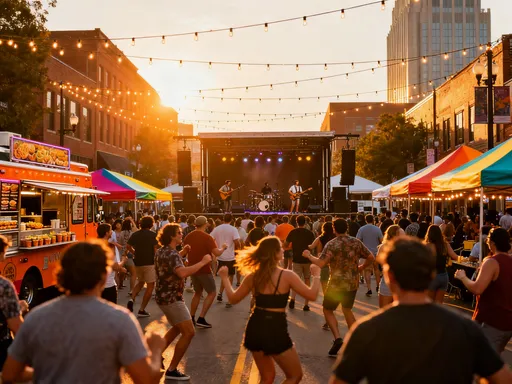
In Mexico City, public plazas are not just places to sit—they are stages for performance. From classical music to traditional dance, the city brings culture directly to its people through free, open-air events. Plaza Garibaldi, famous for its mariachi bands, is perhaps the best-known example. Every night, the square comes alive with the sound of trumpets, violins, and passionate singing. Tourists gather to hear romantic ballads, while locals come to celebrate birthdays, anniversaries, and family reunions. The energy is electric, spontaneous, and deeply communal. Unlike formal concerts, these performances are accessible to all—no tickets, no dress code, no barriers.
Other plazas host more diverse programming. In Parque México, part of the interconnected green space in Condesa, weekend events include ballet performances, jazz ensembles, and poetry readings. The city’s cultural department, in partnership with local organizations, schedules hundreds of free events each year. These programs ensure that the arts are not confined to museums or theaters but are woven into the fabric of daily life. For children who may never visit an opera house, seeing a live dance performance in the park can be a transformative experience.
These performances also strengthen neighborhood identity. When a community gathers to watch a local dance troupe or listen to a folk singer, they are not just being entertained—they are reaffirming shared values and traditions. In a city as large and diverse as Mexico City, such moments of unity are invaluable. They create a sense of ownership over public space, reminding residents that these areas belong to them. Moreover, by making culture freely available, the city reduces social barriers and promotes inclusion. A retired teacher, a street vendor, and a university student can all enjoy the same performance, side by side. In this way, public plazas become equalizers—spaces where status fades and humanity takes center stage.
Why These Spaces Matter—And How to Experience Them Like a Local
The public spaces of Mexico City are more than amenities—they are essential to the city’s soul. They provide refuge from urban stress, foster social connection, and preserve cultural identity. In a world where digital life often replaces face-to-face interaction, these physical spaces offer something irreplaceable: the chance to be present, to see and be seen, to belong. Studies have shown that access to green spaces and communal areas improves mental health, reduces loneliness, and increases civic engagement. In Mexico City, where millions live in small apartments or crowded housing, these open areas are not luxuries—they are lifelines.
But to truly appreciate them, one must experience them as a local does. Start early in the morning, when the streets are quiet and the light is soft. Visit a neighborhood market not just to eat, but to observe, to listen, to engage. Sit on a park bench and watch the world go by. Join a Sunday bike ride or attend a free concert in the plaza. Respect the space—keep it clean, follow local customs, and be mindful of others. These spaces thrive on mutual care and responsibility.
For visitors, the lesson is simple: don’t just see the landmarks—live in the city. Walk its streets, sip coffee in its gardens, dance in its plazas. Let the rhythm of public life guide you. In doing so, you’ll discover that Mexico City’s greatest attractions are not its museums or monuments, but the everyday moments shared in its open spaces. These are the places where life unfolds in real time, where community is built one conversation, one smile, one shared silence at a time. They are, without question, the heartbeat of the city.